In this article
If you run compressed air for blow-off or drying, you probably know it is not cheap. What most plants do not know is the actual number. Compressed air is invisible, it does not show up as its own line on the electric bill, and it tends to run all day without anyone looking at it.
This post walks through how to put a dollar figure on it. It takes five numbers you likely already know, and it shows you what the answer looks like for two very different plants.
Why compressed air blow-off costs more than people expect
Compressed air is made by a motor turning electricity into pressure. Most of that energy turns into heat on the way, and only a small share ends up as useful air at the nozzle. When the job is blowing water or dust off a product, you are often paying for 80 to 100 psi to do work that a much lower pressure can do.
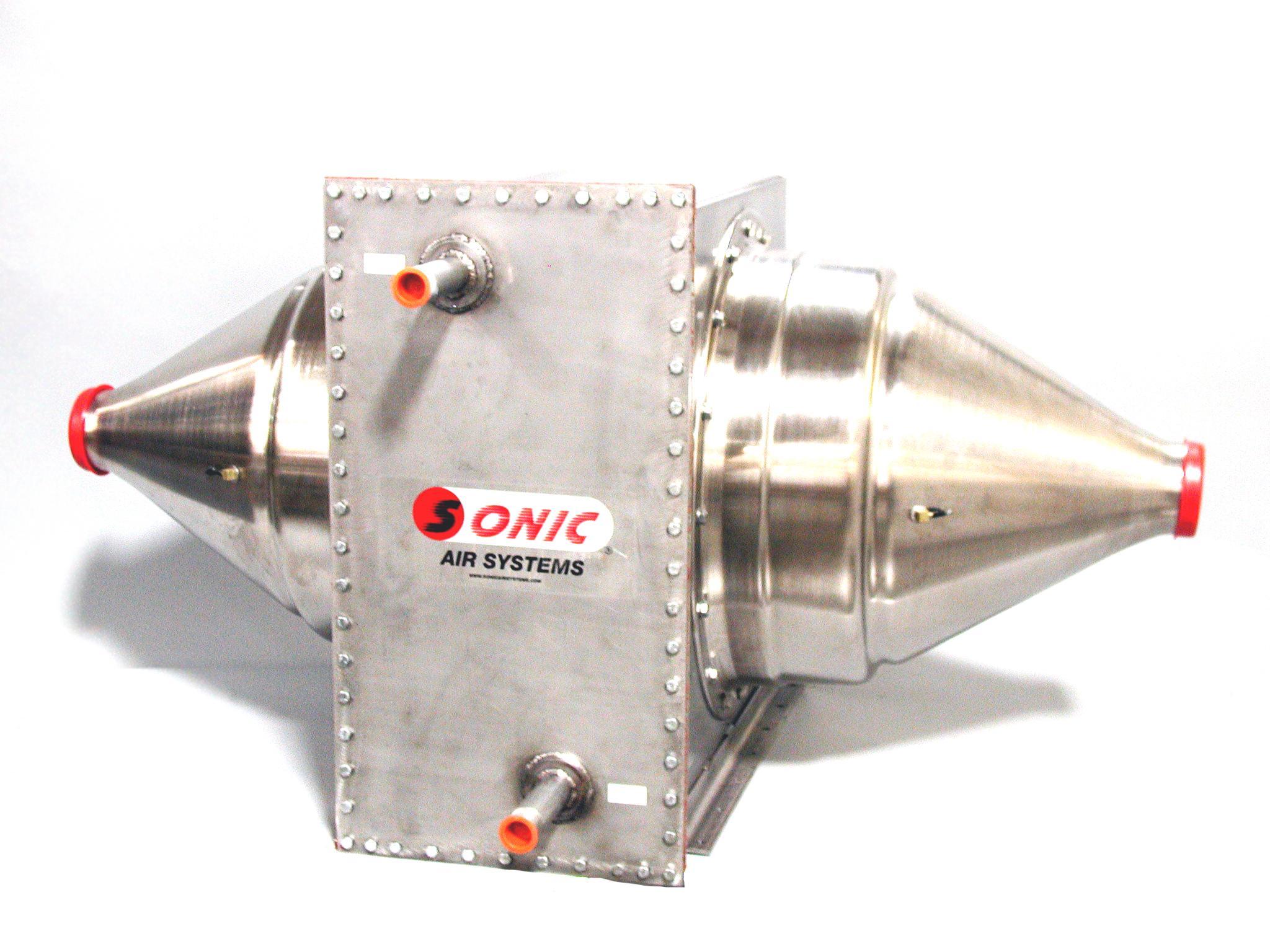
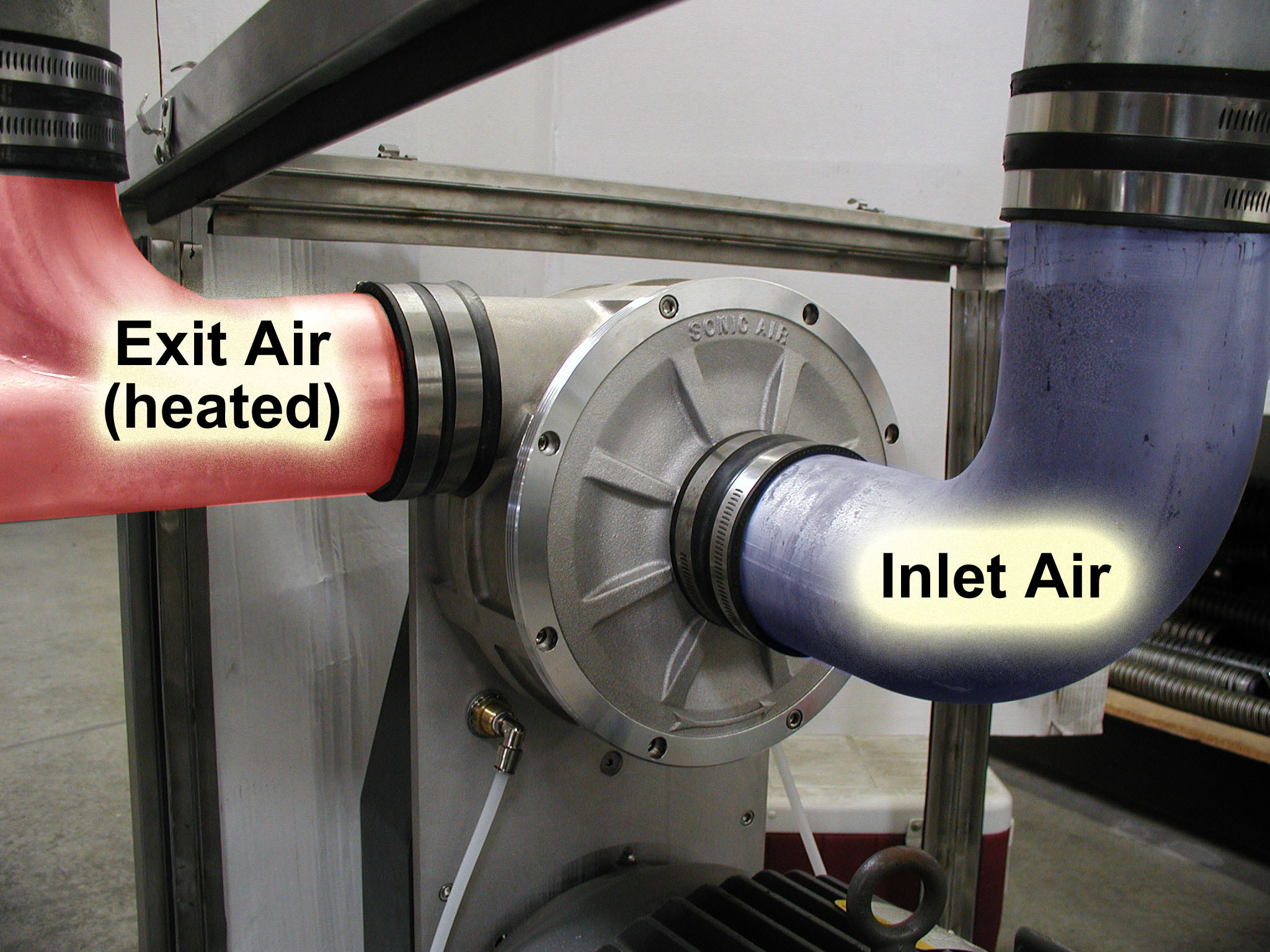
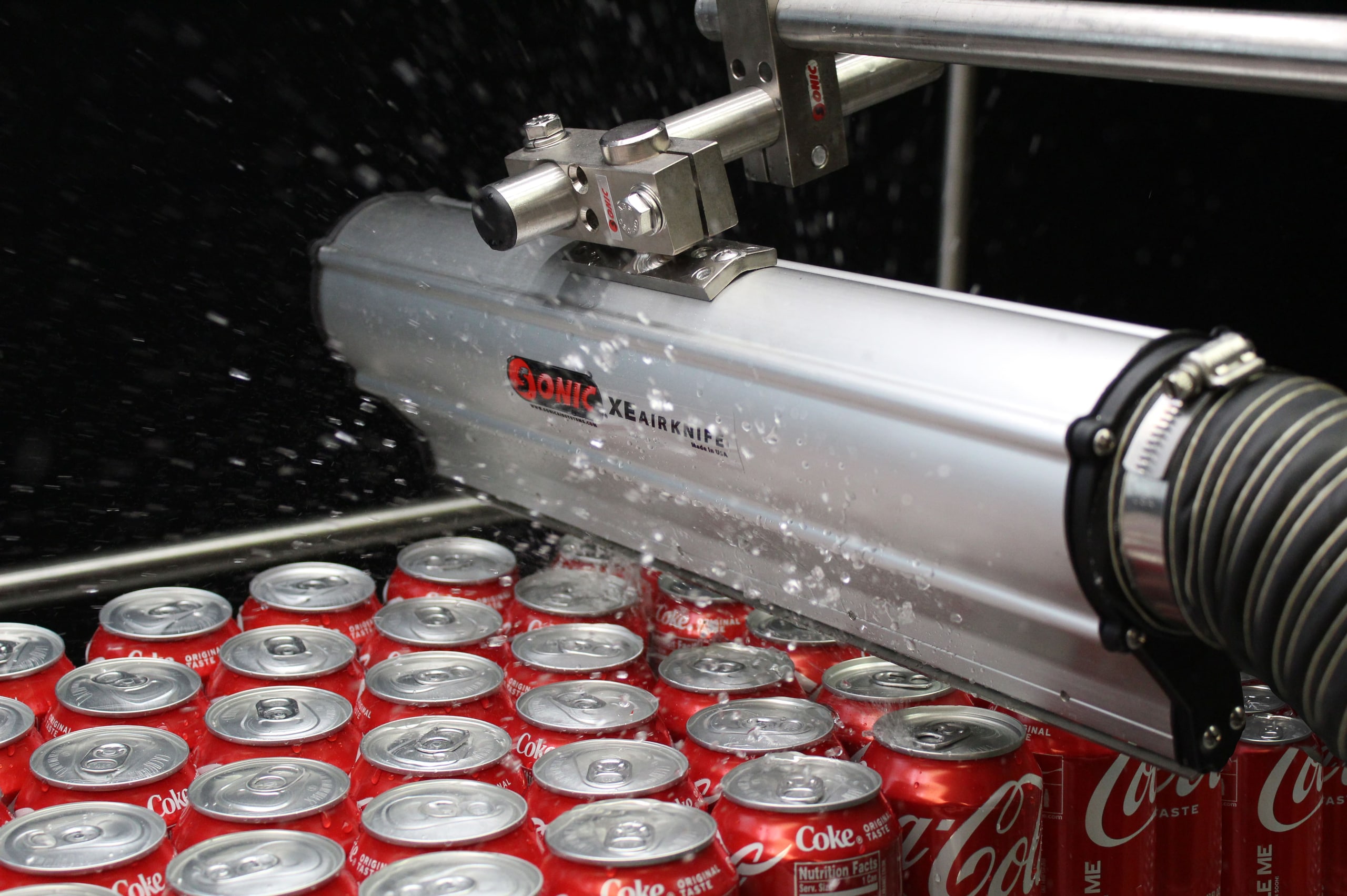
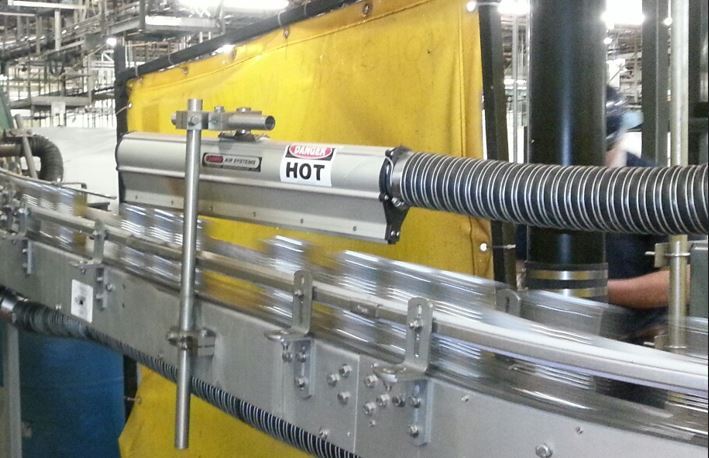
That is why blower-powered air knives exist. A blower moves a large volume of air at 2 to 3 psi, which is enough force for many blow-off and drying jobs and takes far less power to produce. We explain the force side in detail in How 2-3 PSI Blowers Meet or Exceed the Air Blow-Off Force of 80-100 PSI. This post is about the money side.
The five numbers you need
The Compressed Air vs. Blower Energy Savings Calculator asks for:
- Current system HP. The total horsepower of the compressed air equipment that feeds your blow-off or drying. If a compressor serves many uses, estimate the share that goes to this job.
- Operating hours per day.
- Operating days per week.
- Your electricity rate in dollars per kWh. It is on your electric bill, usually between $0.08 and $0.20.
- Number of lines or systems. If you have several identical lines, enter how many.
The calculator turns horsepower into kilowatts, multiplies by the hours you run in a year, and multiplies that by your rate. That gives your current annual energy cost. It then shows what you would save at three levels: 65% (conservative), 75% (expected) and 85% (high).
Example 1: A plant that runs around the clock
This is the calculator's starting setup.
- 50 HP of compressed air for blow-off
- 24 hours a day, 7 days a week
- $0.10 per kWh
- 1 line
That is 8,736 hours a year and about 325,800 kWh. At $0.10, the compressed air costs roughly $32,600 a year.
| Savings level | Estimated yearly savings |
|---|---|
| Conservative (65%) | about $21,200 |
| Expected (75%) | about $24,400 |
| High (85%) | about $27,700 |
Example 2: One shift, five days a week
- 50 HP of compressed air for blow-off
- 8 hours a day, 5 days a week
- $0.12 per kWh
- 1 line
That is 2,080 hours a year and about 77,600 kWh. The compressed air costs roughly $9,300 a year.
| Savings level | Estimated yearly savings |
|---|---|
| Conservative (65%) | about $6,100 |
| Expected (75%) | about $7,000 |
| High (85%) | about $7,900 |
The same equipment gives a very different answer. Running hours are the biggest swing, so a plant on three shifts has the strongest case, but a one-shift plant can still see a payback worth looking at.
What the estimate does not include
The calculator looks at electricity only. It leaves out things that often matter too:
- Maintenance. Compressors, dryers and filters need regular service, and air leaks add to the bill. None of that is in the estimate.
- Compressor capacity. Moving blow-off to a blower may free up compressed air for other uses, which can delay the need for a bigger compressor.
These are estimates, and every plant is different. If your numbers come out close to one of the examples, the next step is a conversation about your actual application.
How to use your result
- Run the calculator with your real numbers.
- Try it with the high and low ends of your electricity rate to see how sensitive it is.
- Look at your biggest compressed air blow-off jobs first. Bottle and can drying, product cooling, parts drying and dust removal are common ones.
- If the number is worth pursuing, contact us with your application. Our application engineers can size an air knife and blower system for your line.
You can also see how other companies approached this in our case studies.
Run your own numbers: Open the energy savings calculator