Key takeaway
Replacing a compressed air knife with a single 10 HP Sonic blower on a panel coating line delivered a 3x increase in CFM, cut power draw by 40 HP, and paid for itself in under 7 months.
Non-contact blow off for wallboard, cement, coatings, and other construction materials, without the horsepower cost of compressed air
Tell us about your process and we'll follow up with a recommendation.
Application brief
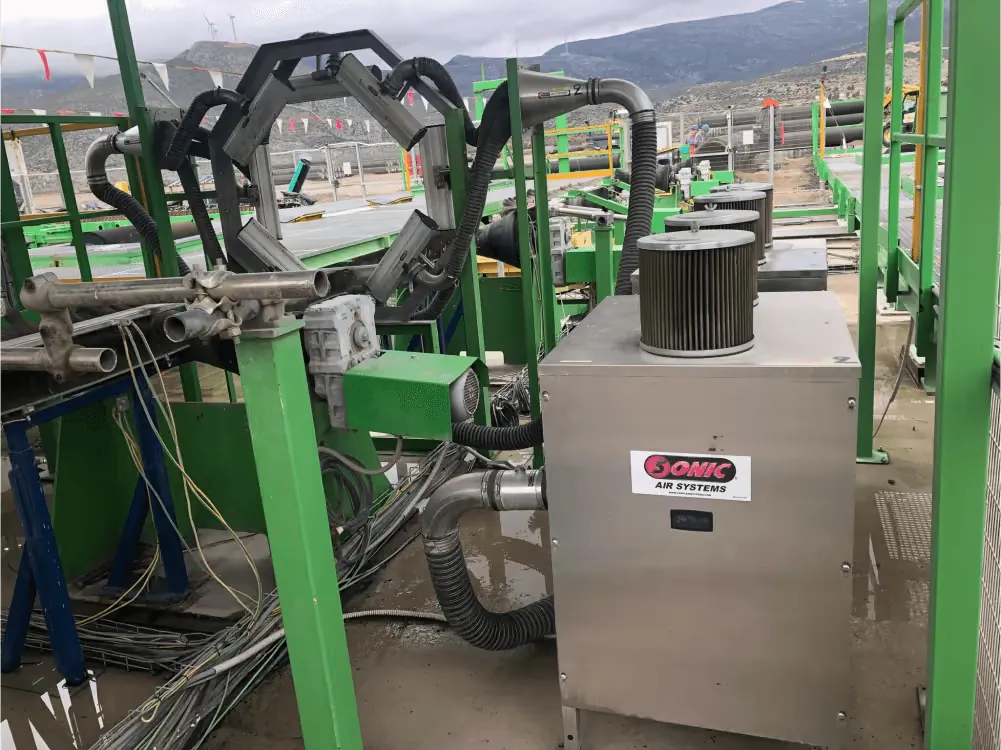
Construction materials manufacturing runs on volume, and volume means water, slurry, and dust removal is always challenging. A rotating drum that isn't cleaned before it comes back around loses de-watering consistency. A conveyor belt handling cement clinker needs excess material removed before it becomes an emissions problem. A coated panel line needs excess paint controlled without adding another piece of contact equipment that has to be cleaned or replaced. Compressed air and mechanical scrapers have covered these jobs for years, but both come with a real cost, in horsepower, maintenance, or both.
Sonic Air Systems' non-contact, high-velocity air knife systems handle the same jobs using less horsepower than compressed air and without the wear and replacement cycle of contact scrapers or brushes, across wallboard, roofing, cement, and a wide range of other construction materials.
Process requirements
Replacing a compressed air knife with a single 10 HP Sonic blower on a panel coating line delivered a 3x increase in CFM, cut power draw by 40 HP, and paid for itself in under 7 months.
Sonic's non-contact XE air knife systems have become the standard for cement clinker capture at many of North America's largest cement producers, running belts up to 36" wide at speeds to 400 FPM with exit velocities to 31,500 FPM.
A rotating drum de-watering application replaced a 200 HP compressed air system and a 150 GPM water spray system with a single 40 HP Sonic blower, a 160 HP reduction on that line alone.
Sonic's Coating Control air knife design eliminates the streaking that standard air knives can cause, replacing rotating wire brushes on panel and board coating lines without adding a high-maintenance piece of contact equipment.
Engineering detail
System requirements
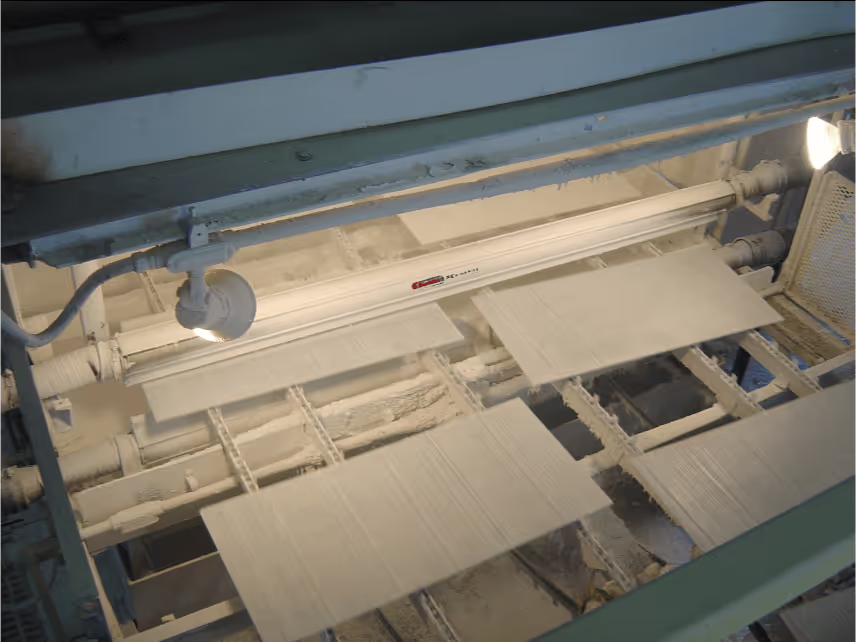
A compressed air knife cleaning panels ahead of a paint applicator gets the job done, but it comes at a high energy cost. When one manufacturer replaced their compressed air knife with a single high-velocity blower air knife, powered by a 10 HP Sonic blower and integrated with their existing dust collector, they saw a 3x increase in CFM and higher impact velocity for better dust removal, while cutting 40 HP of power draw. At 120 production hours a week, that reduction translated into an ROI under 7 months, with added benefits of cleaner panels and a higher-quality paint finish.
Excess coating control is a related but different problem. One composite board manufacturer had been using a rotating wire brush to smooth excess water-based paint on boards moving across a 60" wide roller conveyor at 78 FPM. The brush worked, but it meant ongoing maintenance and replacement costs. Sonic's Coating Control air knife replaced the brush with a laminar airflow design engineered around impact velocity, attack angle, and distance to the product, eliminating the streaking that standard air knives can cause and removing a piece of contact equipment from the line entirely. Quick-disconnect fittings and a spare knife let the customer swap and clean the knife without stopping production.
Engineering detail
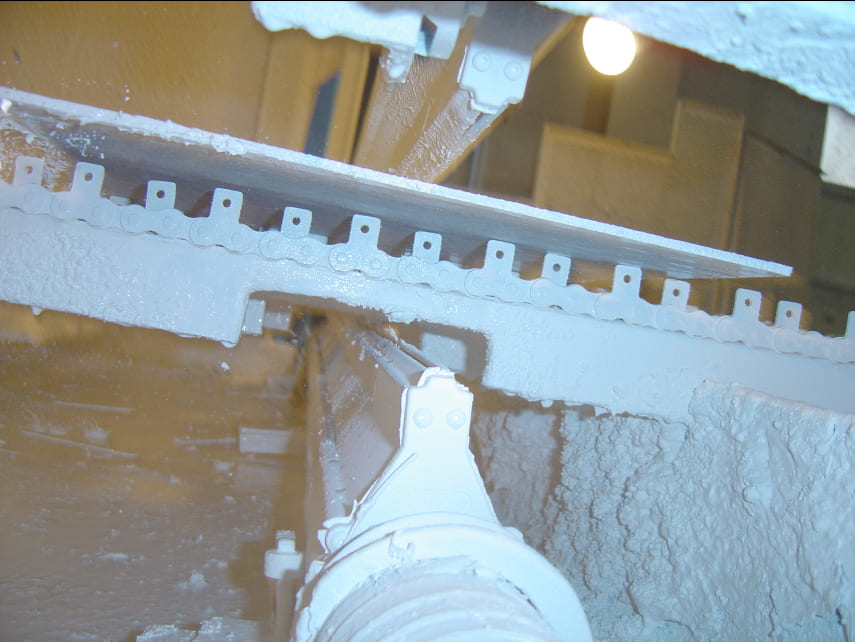
Conveyor belts moving wet or sticky mined material, like cement clinker, have traditionally relied on wearing scraper, or "doctor," blades to clear excess product after the head pulley. Blades degrade, need frequent replacement, can damage the belt, and still let dust escape, which is a growing problem as local and national particulate emissions limits tighten. Sonic's non-contact XE air knife blows excess clinker and residual powder directly off the belt and into the customer's dust collector inlet, containing airborne particulate at the source instead of trying to clean it up afterward. Sized for belts from 24" to 36" wide running up to 400 FPM, with exit velocities to 31,500 FPM and a 2-stage air filter built for high dust load conditions, this configuration has become the standard for many of North America's largest cement producers.
Rotating drums used to de-water cement-bonded composite slurry face a similar problem at a different stage of production. One building products manufacturer was spending 200 HP per drum on compressed air, plus a 150 GPM water spray system, just to keep a 4-foot diameter, 16.5-foot long rotating drum clean enough to maintain consistent de-watering. Sonic replaced both methods with a single 40 HP blower and a 16.5-foot Sonic XE air knife, a 160 HP reduction on that line alone, with the drum still clean enough to hit the same de-watering consistency the previous methods struggled to maintain.
Production proof
A manufacturer was using a compressed air knife to clean panels ahead of the paint applicator, and the energy cost of running it was adding up. Sonic recommended a single high-velocity blower air knife, powered by a 10 HP Sonic air blower and integrated with the customer's existing dust collector. The switch delivered a 3x increase in CFM and higher impact velocity for better dust removal, while cutting power draw by 40 HP. At the customer's production schedule of 120 hours a week, that reduction delivered significant monthly energy savings and an ROI under 7 months, along with cleaner panels and a higher-quality paint finish. Full details are in Sonic's published case study, Replacing Compressed Air Knife with Sonic’s High-Velocity Blower Leads to Significant Savings (ROI < 7 Months).
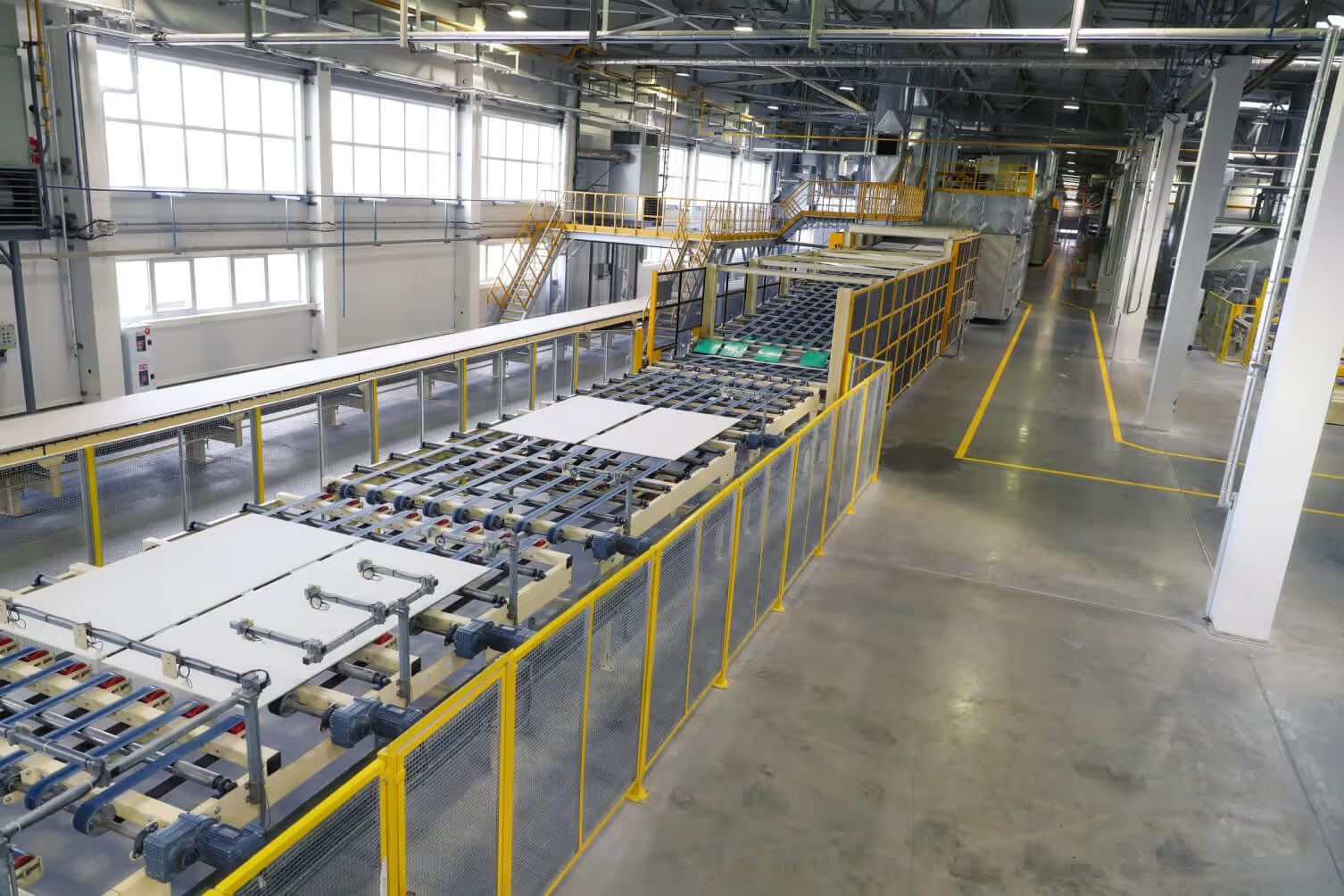
Conveyors moving cement clinker traditionally relied on wearing scraper blades to remove excess material after the head pulley, and stricter particulate emissions limits have made the airborne dust those blades leave behind a growing compliance problem. Sonic's non-contact XE air knife, sized for belts from 24" to 36" wide at speeds up to 400 FPM with exit velocities to 31,500 FPM, blows excess clinker and residual powder directly into the customer's dust collector inlet, containing particulate at the source instead of after the fact. A 2-stage air filter keeps maintenance manageable even under high dust load conditions. The approach has become standard among many of North America's largest cement producers, improving safety, cutting product loss to near zero, and reducing maintenance versus contact scrapers. Full details are in Sonic's published case study, Sonic Eliminates Belt Scrapers & Doctor Blades with Non-Contact Air Knife Systems.
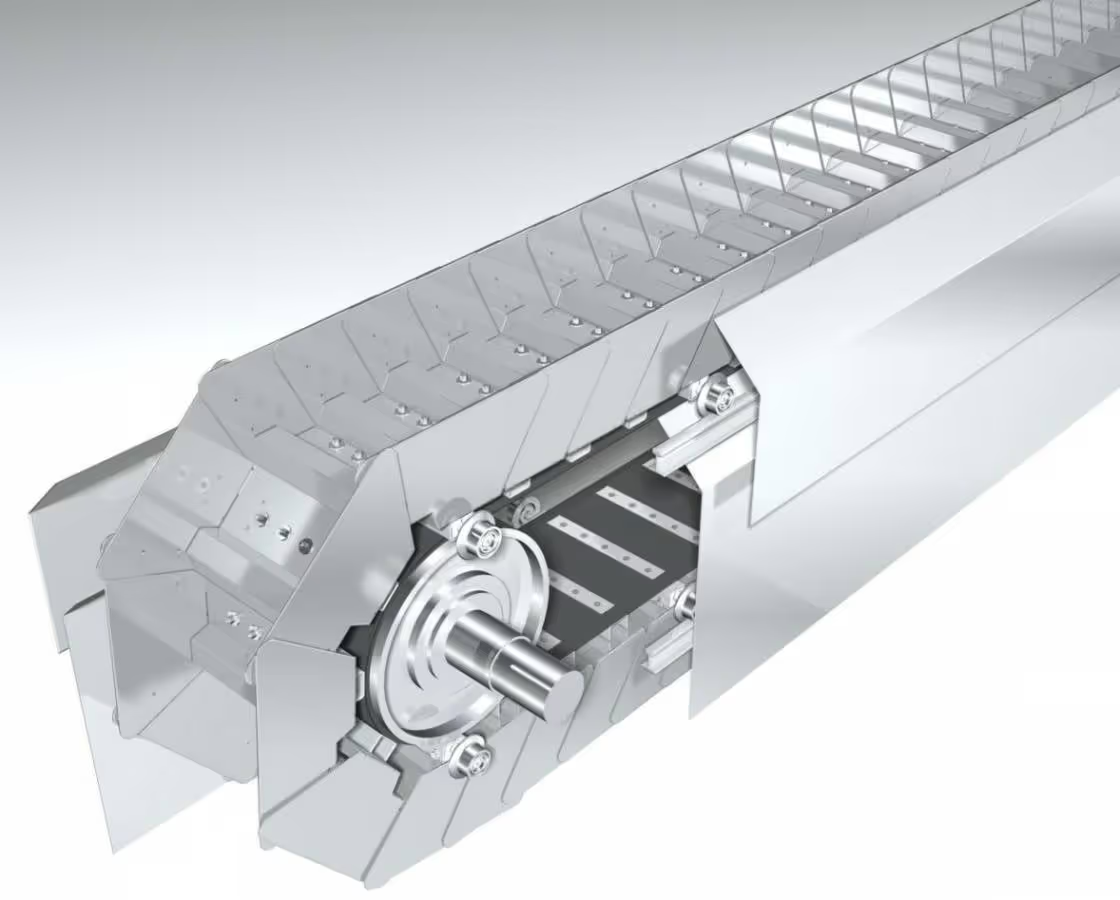
Talk through the application
Tell us the material, the line speed, and what's currently doing the job, compressed air, brushes, or scrapers, and we will help size the right system.