Parts Cooling

Cool Air Knife System

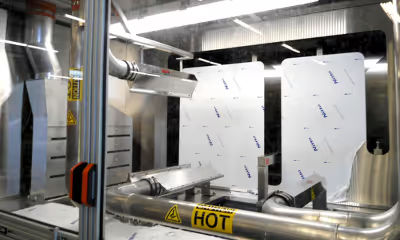
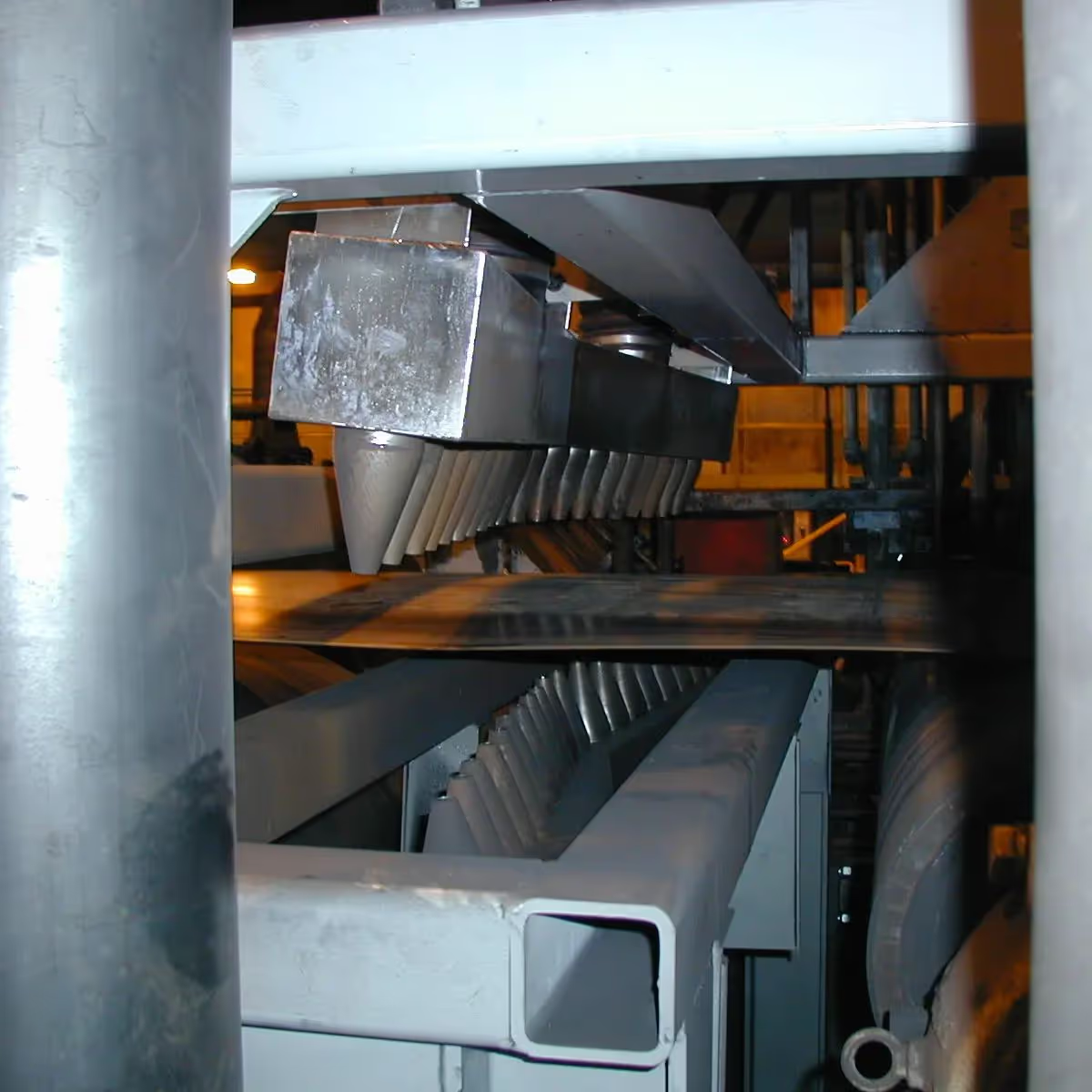
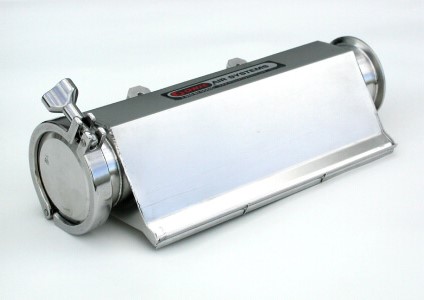
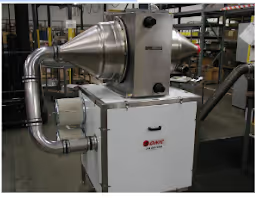
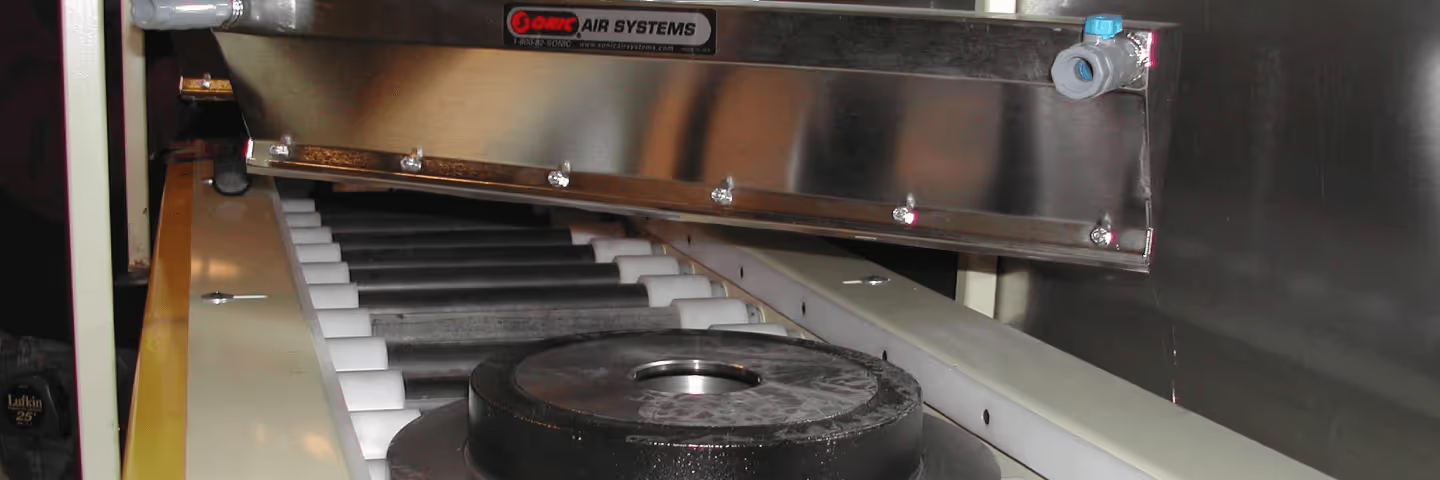
The Sonic Cool Air Knife System blows ambient or refrigerated air through high-velocity air knives to cool parts after welding, heat treating or thermoforming. It runs on a blower instead of compressed air and can replace or reduce water spray cooling and chilled cooling rollers.

Interested in learning more?

Tell us about your process and we'll follow up with a recommendation.

Showing Cool Air Knife System image 1 of 2

Rapid and Energy-Efficient Air Cooling Solutions

Reliable cooling solutions to meet your product cooling requirements.

Achieve precise product cooling with Sonic's COOL AIR™ systems. Sonic's in-line water or water/glycol air heat exchangers, combined with Sonic blowers, produce outlet air temperatures at below ambient air temperatures. Each Sonic Air’s cooling system is engineered to meet specific objectives and boasts 75% less total energy than compressed air systems .

Sonic High-Velocity Air Knife Delivers Rapid Parts Cooling

Sonic Cool Air Knife System is engineered to provide efficient cooling solutions for industrial applications. Utilizing a blower-driven air delivery mechanism, this system directs a controlled, high-velocity stream of ambient or refrigerated air onto targeted surfaces. This air cooling solution is designed to rapidly cool parts surfaces after high-temperature processes such as welding, heat treating, or thermoforming. Sonic pioneered the blower and aftercooler combination that delivers laminar flow, high-velocity air knife cooling of surfaces in a fraction of the linear conveyor distance that natural radiant cooling would require. Sonic cooling also needs substantially less total power than compressed air cooling knives or nozzle arrays, and it can replace or at least reduce water spray cooling and chilled cooling rollers, with lower total cooling energy, shorter conveyor distances and better overall production efficiency.

Enhance Your Operations with Reliable Cooling Systems

Features

  • Blower-Driven Airflow: The system uses a high-efficiency blower instead of compressed air, delivering a continuous stream of air for effective cooling. This design significantly reduces energy consumption and lowers operational costs.
  • Adjustable Airflow Control: The Cool Air Knife System provides adjustable airflow control, enabling users to fine-tune the velocity and pressure to suit the specific cooling demands of their product.
  • Low-Noise Operation: This product air cooling system operates with minimal noise, helping create a quieter, more comfortable workspace for employees. This is beneficial in settings with strict noise regulations.

Benefits

  • Faster Production Cycles: The air cooling system rapidly cools products, reducing wait times between manufacturing stages. This accelerated cooling increases throughput and boosts overall production efficiency.
  • Gentle and Damage-Free Processing: The Cool Air Knife System offers gentle drying, cleaning, or cooling, protecting sensitive materials from thermal damage or distortion. It ensures product integrity and minimizes scrap rates in industries like food processing and electronics.
  • Reduced Maintenance Costs: With fewer moving parts and no reliance on compressed air, the system requires less maintenance and experiences fewer breakdowns. This minimizes downtime and lowers overall repair expenses.

How to Select the Right Industrial Diverter Valve

Determining the best valve for your system depends on balancing air volume, pressure, and material characteristics. When these factors align, you achieve smoother performance, higher efficiency, and long-term reliability. The ideal configuration not only maintains consistent airflow and minimizes pressure loss but also enhances energy efficiency across continuous production cycles.

Common Types of Diverter Valves

  • Flap Type Diverter: Simple, cost-effective valve ideal for low- to medium-pressure systems handling powders, pellets, or airflows requiring gentle redirection.
  • Plug (Rotor) Diverter: Designed for continuous-duty applications, offering smooth switching between lines with minimal leakage.
  • Slide or Slideflex Diverter: Provides fast, tight-sealing transitions for high-pressure or high-temperature processes where precision airflow management is essential.

Key Technical Considerations

When specifying an industrial air diverter valve, consider the following engineering factors to ensure long-term reliability:

  • Material Compatibility: Choose materials suited to your process: aluminum for lightweight efficiency, stainless steel for hygienic or corrosive environments, or coated alloys for chemical resistance.
  • Actuation & Automation: Sonic offers manual, pneumatic, or automated actuation to integrate with PLC or sensor-driven systems for instant airflow control.
  • Sealing & Maintenance: Valves are designed with precision-fit components and replaceable seals to maintain efficiency and reduce downtime during maintenance intervals.

Specification Sheets

Checking access...
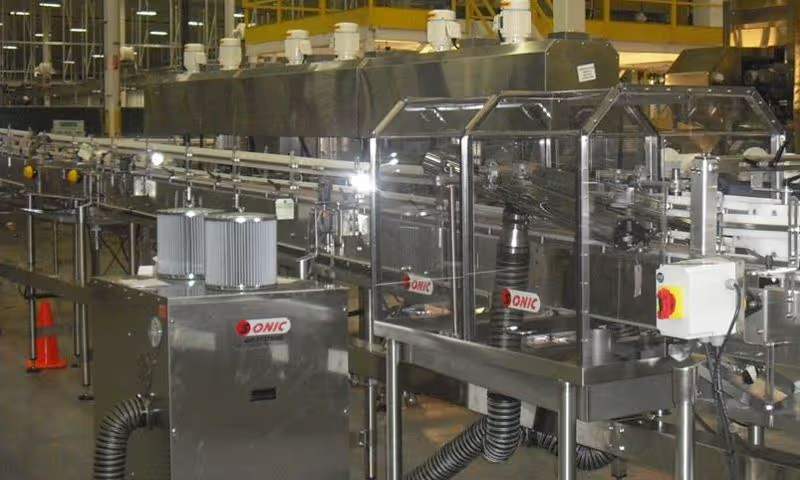
An industrial stainless steel conveyor production line featuring a Sonic Air Systems air knife drying and cleaning station with visible filters and protective clear guards.

Air Knife Tunnel and Enclosure

Bolt-together stainless steel air knife tunnels for drying bottles and cans before inspection, coding, labeling or packaging, at 100 to 1,500 products per minute. Standard modules are 24, 48, 72 and 96 in long, and sealed drip pans contain water and prevent rewetting.

READ MORE
Debris Blow Off and Vacuum

Sonic ION-AIR Air Rinse and Air Wash Systems

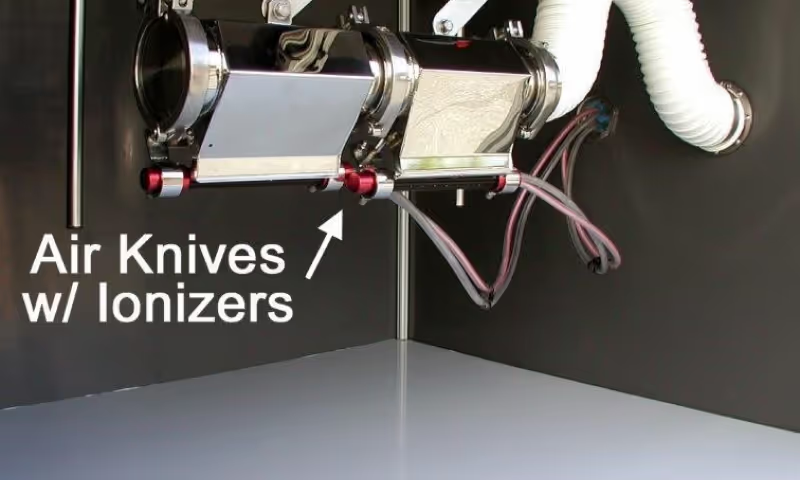
Ionized air rinser and air wash systems that replace water rinsing and compressed air blow-off for cans, bottles and other products. Ionizing bars neutralize static so dust and particles let go, and blower power uses 75% less electricity than compressed air rinsing.

READ MORE
Sonic Multi-Nozzle Manifold for industrial drying and blow-off

Reciprocating Air Knife (RAK) System

Air knives and nozzles that cycle up and down as parts pass on overhead monorail conveyors, so one Reciprocating Air Knife (RAK) system does the work of several stationary knives. Used for drying before coating and for shot blast blow-off on automotive, farm machinery and other large parts.

READ MORE
Sonic Hot Air Knife System for industrial heating and drying

Hot Air Knife Systems (Patented)

Sonic’s patented heater-less hot air knife systems deliver air at 125°F to 275°F (52°C to 135°C) from the blower’s natural heat of compression, with no electric heater or flame. They dry water-based coatings, paints and inks and use up to 75% less energy than electric, gas or steam heaters.

READ MORE

Frequently Asked Questions

Yes. Sonic butterfly valves can operate in conjunction with a VFD for blower speed control; however, they can also function as the sole airflow control device. As a low-cost alternative to a VFD, the butterfly valve allows operators to manually fine-tune air velocity and pressure, setting the optimum airflow level during the initial system setup without relying on expensive electronic controls.

The Sonic Y-Verter™ is a mechanical alternative to Variable Frequency Drive motor controllers traditionally used in blower and air knife systems. It allows rapid, reliable airflow redirection between system branches without changing motor speed, reducing complexity and maintenance requirements compared to VFD-based systems.

A Y-Verter™ is particularly effective when using standard 3,600 RPM, 60 Hz motors where air control needs can be met through mechanical redirection rather than motor speed modulation. While certain high-speed blower motors (up to 20,000 RPM) may require VFDs with output frequencies up to 330 Hz, many air knife applications can achieve equal or better airflow management with the simpler, more durable Y-Verter™ system.

Yes. They can be integrated with most industrial blowers or pneumatic systems, and custom configurations are available for unique operating conditions.

Bring your line requirements to Sonic.

Share the product, line speed, dimensions, and operating environment. Sonic’s engineering team will help shape the right air delivery system.

Want a recommendation?

Share a few details about your process and we'll follow up with next steps.