By clicking “Accept All Cookies”, you agree to the storing of cookies on your device to enhance site navigation, analyze site usage, and assist in our marketing efforts. View our Privacy Policy for more information.
Accept

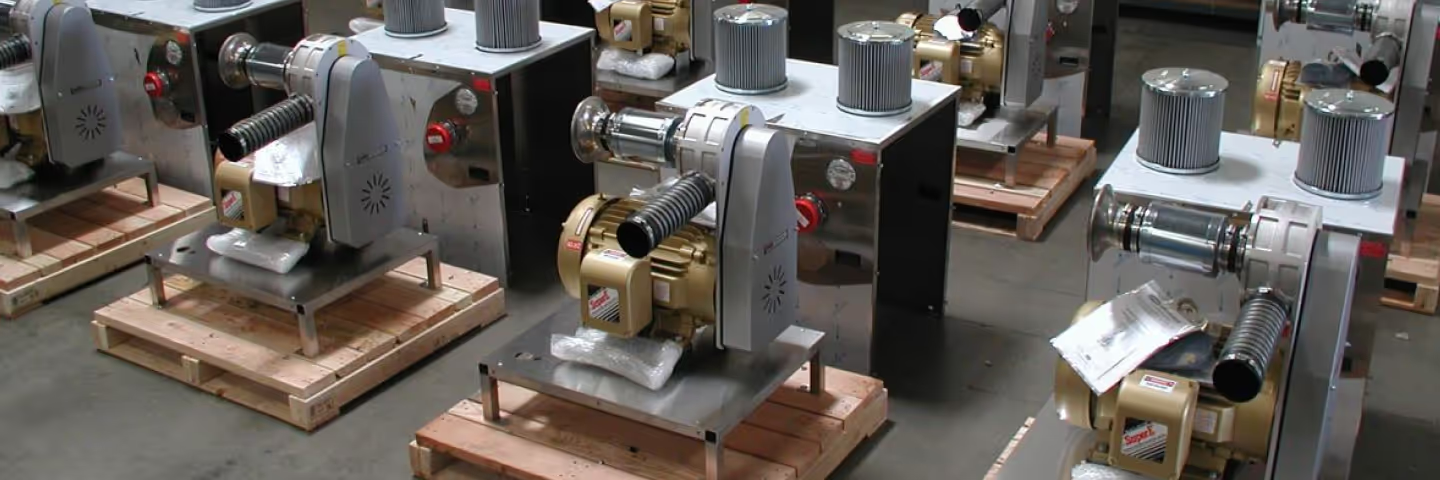
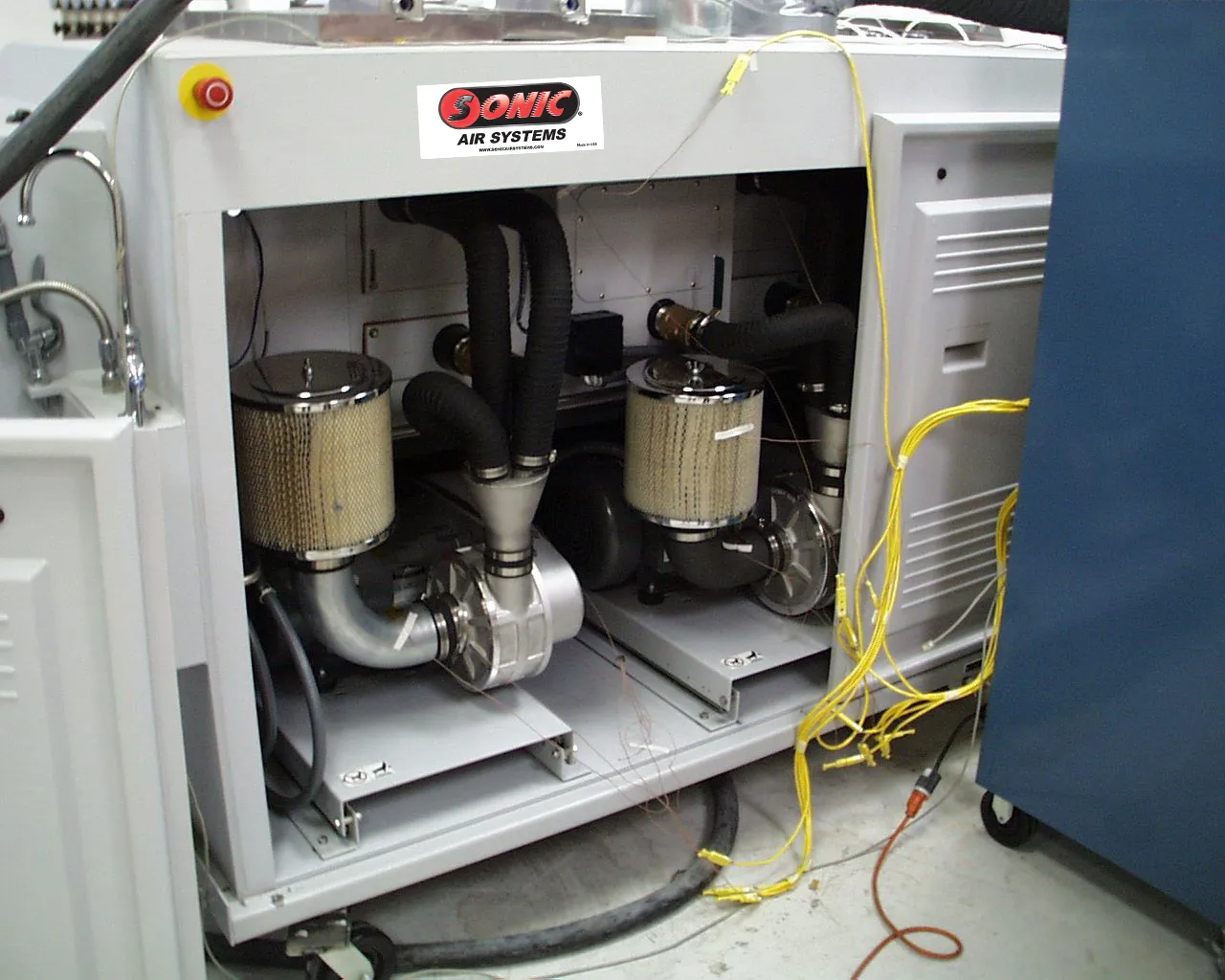
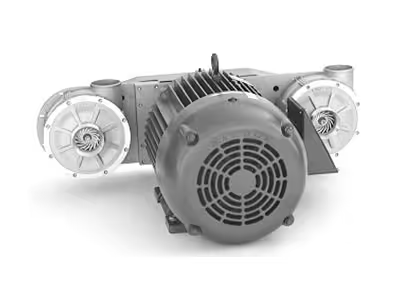
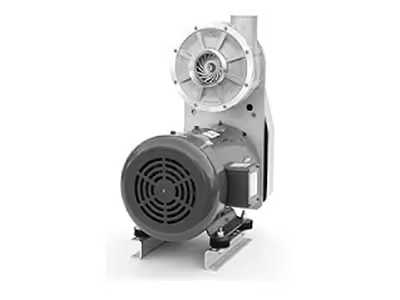
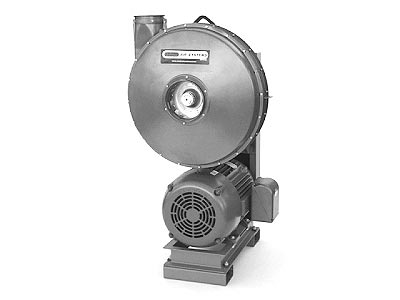
Sonic 85

Youtube Video

Performance range: Flow: 100 to 850 SCFM (170 to 1,445 m³/hr)

Pressure: 0.5 to 3.75 PSIG (3.4 to 25.8 mbar) Vacuum: 1.0 to 7.0 "Hg (34 to 237 mbar)

Standard Features:
  • Auto belt tensioner
  • Multiple mounting configurations
  • Small size and footprint
  • Adaptable to IEC and NEMA motors
  • Lightweight aluminum construction
  • Hard anodize and special materials
Options:
  • High inlet temperature (400°F / 205°C)
  • Thermocouple for PLC monitoring
  • Wash down, explosion proof, and chemical duty motors
  • Hydraulic, pneumatic, and PTO motors
  • Welded inlet and outlet flanges
No items found.
Download Operations Manual
Thank you! Your submission has been received!
Oops! Something went wrong while submitting the form.

How to Select the Right Industrial Diverter Valve

Determining the best valve for your system depends on balancing air volume, pressure, and material characteristics. When these factors align, you achieve smoother performance, higher efficiency, and long-term reliability. The ideal configuration not only maintains consistent airflow and minimizes pressure loss but also enhances energy efficiency across continuous production cycles.

Common Types of Diverter Valves

  • Flap Type Diverter: Simple, cost-effective valve ideal for low- to medium-pressure systems handling powders, pellets, or airflows requiring gentle redirection.
  • Plug (Rotor) Diverter: Designed for continuous-duty applications, offering smooth switching between lines with minimal leakage.

Slide or Slideflex Diverter: Provides fast, tight-sealing transitions for high-pressure or high-temperature processes where precision airflow management is essential.

Key Technical Considerations

When specifying an industrial air diverter valve, consider the following engineering factors to ensure long-term reliability:

  • Material Compatibility: Choose materials suited to your process—aluminum for lightweight efficiency, stainless steel for hygienic or corrosive environments, or coated alloys for chemical resistance.
  • Actuation & Automation: Sonic offers manual, pneumatic, or automated actuation to integrate with PLC or sensor-driven systems for instant airflow control.

Sealing & Maintenance: Valves are designed with precision-fit components and replaceable seals to maintain efficiency and reduce downtime during maintenance intervals.

View Case Studies

No items found.
case study img2

Frequently Asked Questions

Can Sonic butterfly valves be used with a Variable Frequency Drive (VFD)?

Yes. Sonic butterfly valves can operate in conjunction with a VFD for blower speed control; however, they can also function as the sole airflow control device. As a low-cost alternative to a VFD, the butterfly valve allows operators to manually fine-tune air velocity and pressure, setting the optimum airflow level during the initial system setup without relying on expensive electronic controls.

What is the Sonic Y-Verter™, and how does it differ from a VFD?

The Sonic Y-Verter™ is a mechanical alternative to Variable Frequency Drive motor controllers traditionally used in blower and air knife systems. It allows rapid, reliable airflow redirection between system branches without changing motor speed, reducing complexity and maintenance requirements compared to VFD-based systems.

When should I use a Y-Verter™ instead of a VFD?

A Y-Verter™ is particularly effective when using standard 3,600 RPM, 60 Hz motors where air control needs can be met through mechanical redirection rather than motor speed modulation. While certain high-speed blower motors (up to 20,000 RPM) may require VFDs with output frequencies up to 330 Hz, many air knife applications can achieve equal or better airflow management with the simpler, more durable Y-Verter™ system.

Are Sonic air diverter valves compatible with other blower systems?

Yes. They can be integrated with most industrial blowers or pneumatic systems, and custom configurations are available for unique operating conditions.

Specification Sheets

Sonic 85 - NEMA
pdf
Download
Sonic 85 - IEC
pdf
Download

Related Products

No items found.
Download
Operations Manual
Thank you! Your submission has been received!
Oops! Something went wrong while submitting the form.

Sonic 85

Centrifugal Blower
centrifugal

Performance range: Flow: 100 to 850 SCFM (170 to 1,445 m³/hr)

Pressure: 0.5 to 3.75 PSIG (3.4 to 25.8 mbar) Vacuum: 1.0 to 7.0 "Hg (34 to 237 mbar)

Standard Features:
  • Auto belt tensioner
  • Multiple mounting configurations
  • Small size and footprint
  • Adaptable to IEC and NEMA motors
  • Lightweight aluminum construction
  • Hard anodize and special materials
Options:
  • High inlet temperature (400°F / 205°C)
  • Thermocouple for PLC monitoring
  • Wash down, explosion proof, and chemical duty motors
  • Hydraulic, pneumatic, and PTO motors
  • Welded inlet and outlet flanges
Specification Sheets