

Deliver Cleaner Electroplating Parts with a Drying System

Remove rinse water and drag out fast, protect finish quality, and keep plated parts moving.
Electroplating lines depend on clean transitions between tanks. Rinse water, drag out, and trapped moisture can follow parts downstream, diluting chemistries, leaving stains, water spots, and residue that affect appearance marking and labeling. Sonic Air Systems designs blower-powered air knife and nozzle solutions that deliver stable, high-velocity airflow for non-contact drying and blow-off after electroplating and rinsing steps. Systems are engineered around your part geometry, rack layout, and conveyor speed, so you can improve surface condition before inspection, packaging, or any downstream finishing process.
.jpg)
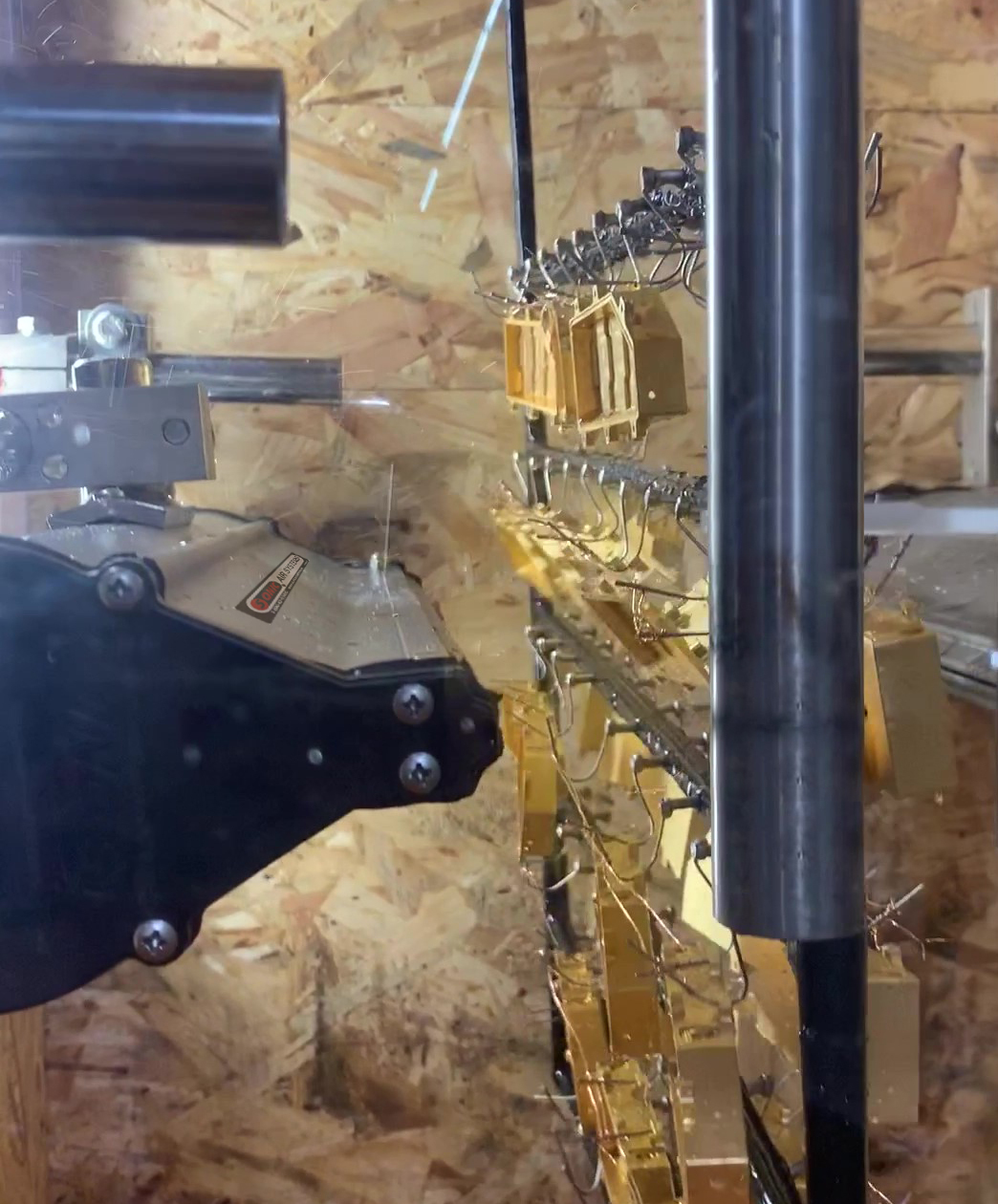
What Goes Wrong on the Line When Drying Systems After Electroplating Fall Short
- Drag out and chemical carryover. Solution leaving a tank on the part or rack can contaminate subsequent stages, dilute rinses, and destabilize bath chemistry. It also increases treatment load and chemical consumption.
- Inconsistent drying and water spotting. Residual water after the final rinse can cause stains, streaks, and mineral residue. In many operations, defects are discovered at inspection or packaging, when they are most expensive to fix.
- Compressed air inefficiency. Manual air wands at blow-off stations, or at the end of the auto hoist line often waste energy, create uneven results, and introduce variation from operator to operator. They can also increase noise and complicate housekeeping.
- High utility costs and noise levels. Fixed position compressed air knives and nozzles work for drag out isolation but the power required and noise levels created are significantly higher than a properly applied blower powered air knife system.
- Process variability across part families. Different geometries, load densities, rack styles, and conveyor heights can make it difficult to apply airflow evenly. What works for one SKU may leave another partially wet or contaminated.
- Mist and overspray management. Uncontrolled blow off can spread moisture and chemicals beyond the intended area, impacting adjacent equipment, safety, and cleanliness.
- Space and integration constraints. Many plating lines have tight clearances, limited access for maintenance, and strict safety requirements. Equipment must fit the line, not the other way around.
- Electric radiant heater tanks are used for flash drying of hidden areas of critical parts, but again the equipment and power costs are far greater than the most efficient hot air blower powered air knife system.
How Sonic Air Systems Stabilizes Your Plating Process
Sonic Air solutions fit at key transition points on an electroplating line, including after cleaning and before activation or plating, where electroplating performance depends on drying system control as much as chemistry control. They also fit after plating and before rinse stages, where airflow reduces carryover, removes bulk solution, and helps lower staining risk on critical surfaces. As parts move toward drying, inspection, and packaging, the system delivers drier parts and can target racks, barrels, and fixtures to reduce dripping and improve housekeeping.
Engineered air knife blow off for carryover reduction.
Sonic air knives deliver a uniform sheet of high velocity air across the working width, helping strip solution films from parts, racks, and strips as they exit tanks. Because airflow distribution is designed for consistency, you reduce weak spots that allow liquid to remain at edges or in dense areas of the load. Blow-off stages can be configured for top, bottom, and side coverage depending on part presentation and drainage paths, making them an effective first stage for drying systems after electroplating.
Industrial centrifugal blowers for consistent performance
Sonic Air centrifugal blowers provide the airflow volume and pressure required for continuous-duty blow-off and drying. They are a practical alternative to high-cost compressed air use, delivering repeatable performance that does not depend on fluctuating plant air conditions. Systems are sized to your line speed, width, and coverage needs, so airflow remains stable as throughput rises.
Targeted nozzle manifolds for complex geometries.
For assemblies with recesses, holes, and irregular shapes, Sonic Air can implement multi-nozzle manifolds and directed airflow strategies. This supports better liquid removal from hard-to-reach areas and helps reduce trapped moisture that later shows up as staining.
Enclosures and integration support for plating lines.
Sonic Air can provide system layouts that consider safety guarding, drainage, and maintenance access. Tunnels and enclosures can help control mist and keep the blow-off zone contained, improving housekeeping and creating a more predictable process environment.
Hot Air For Last Stage Drying
Sonic’s patented heater-less hot air blower technology replaces traditional heated drying tanks at 50% less total power and cost.
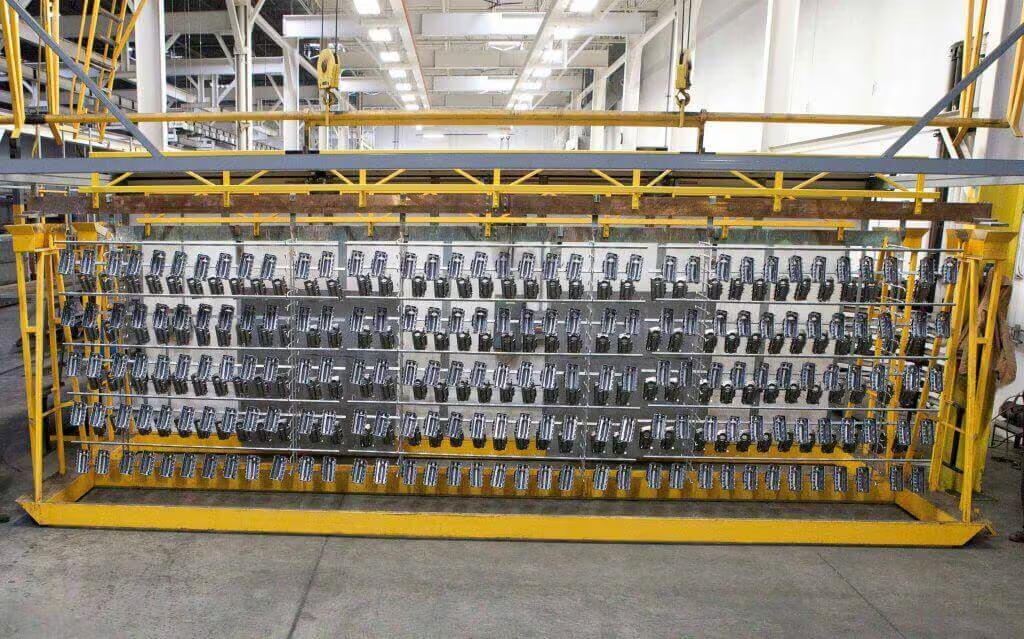
Finish Consistency and Efficiency Improvements That Add Up Over Every Run
- By reducing carryover and stabilizing surface conditions between stages, you reduce variation that can lead to adhesion issues, staining, and visual defects.
- Reduced rinse contamination and lower consumption
- Consistent blow off and drying reduces spotting, streaking, and residue that often appear late in the line.
- Higher throughput without sacrificing quality.
- Lower operating cost compared to compressed air.
- Contained blow-off zones and purposeful airflow reduce uncontrolled mist movement, help keep the line cleaner and easier to maintain.
- Un-matched hot air final stage drying.
Move Beyond Compressed Air Workarounds with a System Built for Industrial Plating Conditions
If your electroplating drying system is dealing with drag out, rinse contamination, water spotting, inconsistent drying, or rising compressed air costs, Sonic Air Systems can help you improve the process. Contact our team today, and we will recommend an industrial blower and air knife solution engineered for your operation.
.JPG)