

How Tube & Pipe Dryers Impact Production Speed (And What You Need to Know)
The Drying Problem in Tube Mills
Most tube and pipe mills use one of two drying methods: compressed air or low-velocity fans. Each works differently, and each has tradeoffs.
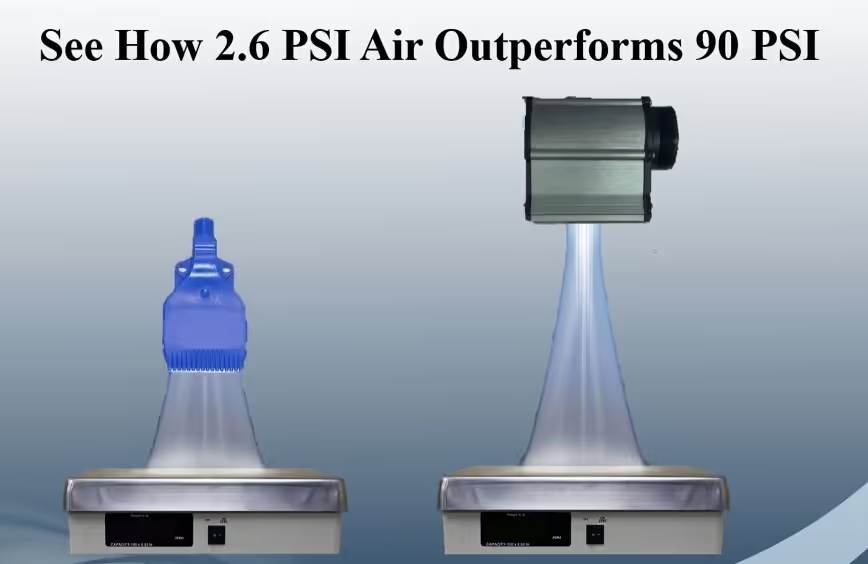
Compressed air is energy-intensive. It consumes a lot of power and doesn't always work the way you'd expect. Turbulence from the compressed air can actually re-deposit moisture instead of removing it. This means multiple passes through the drying zone, which defeats the purpose.
Low-velocity fans move a lot of air but lack the force needed to strip moisture efficiently. They require longer drying zones or multiple passes, which backs up your production line.
The common problem with both methods: they were designed for slower production speeds. Modern mills operate faster, and these older methods can't keep up.
What Makes Air Knife Systems Different
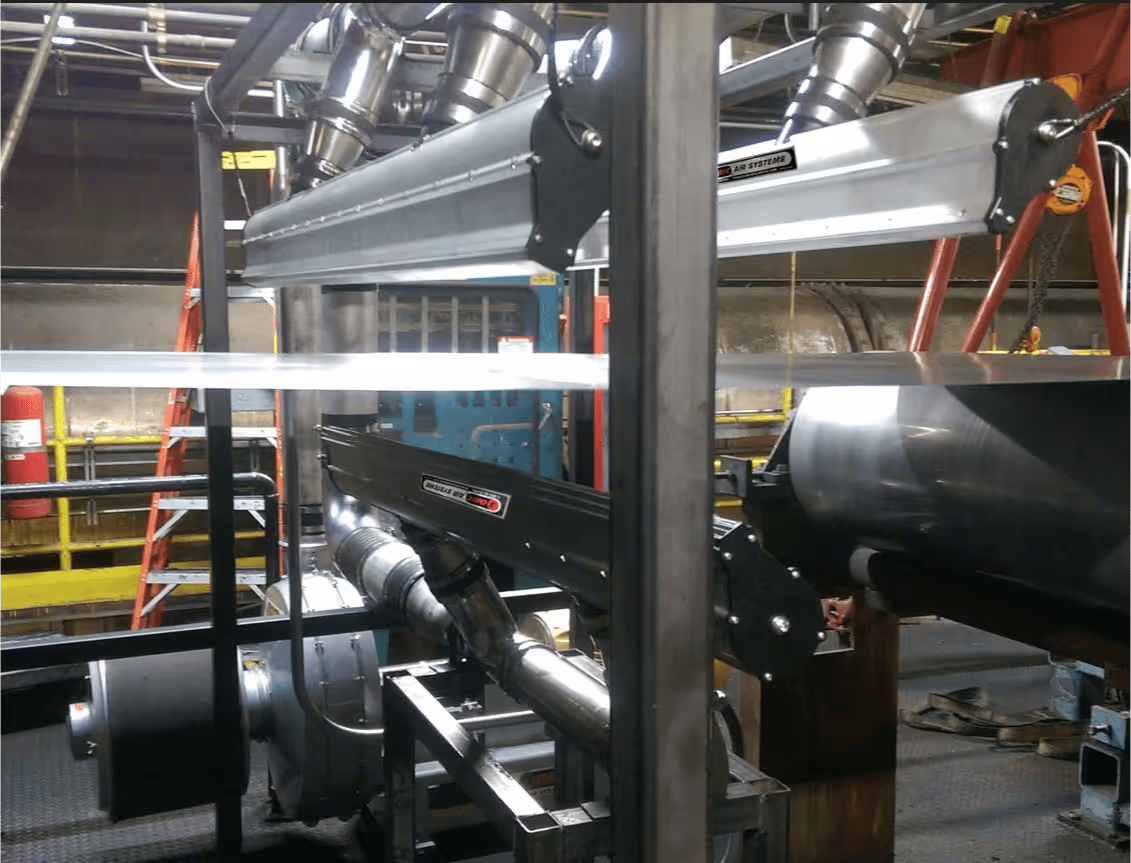
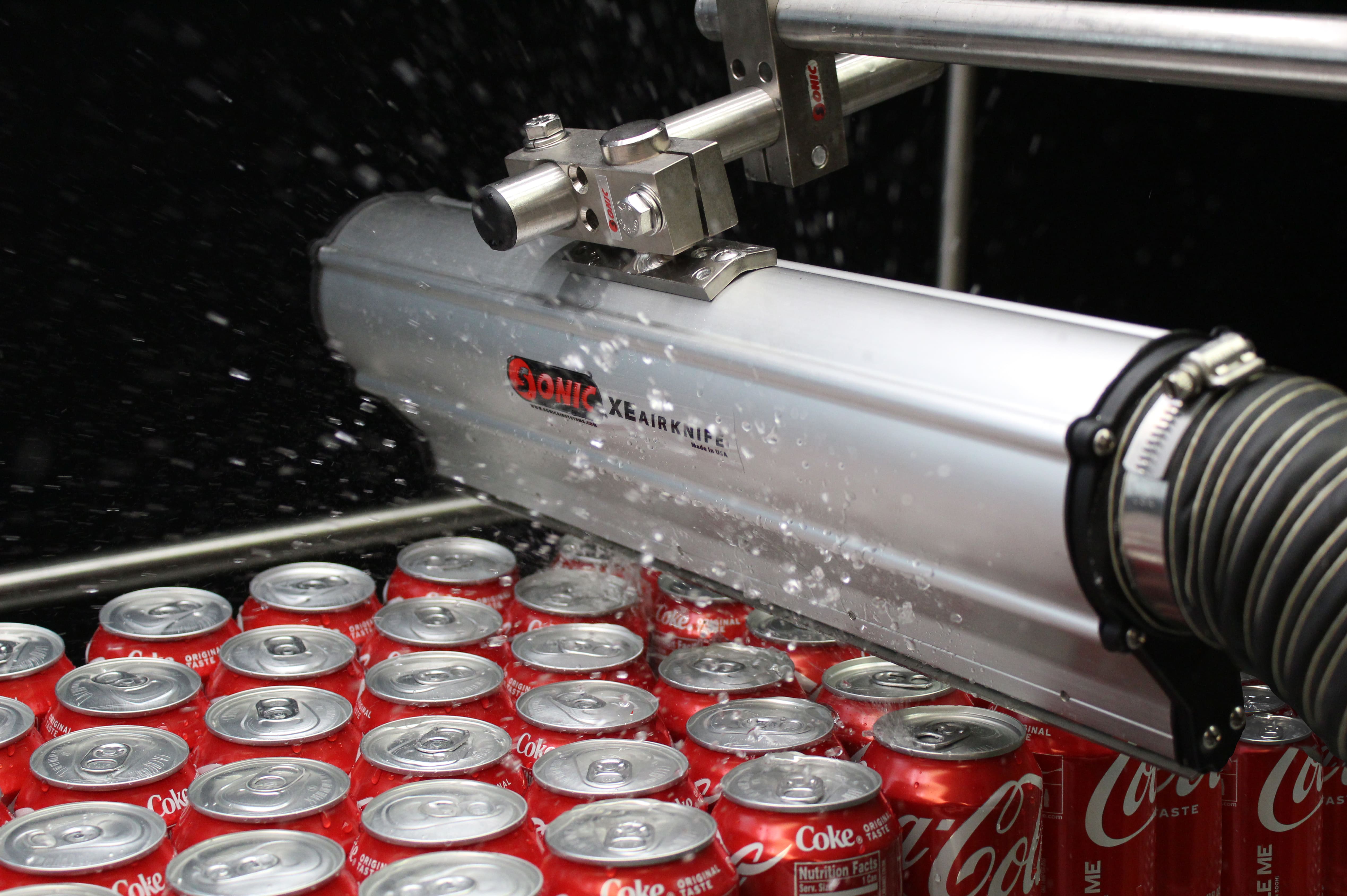
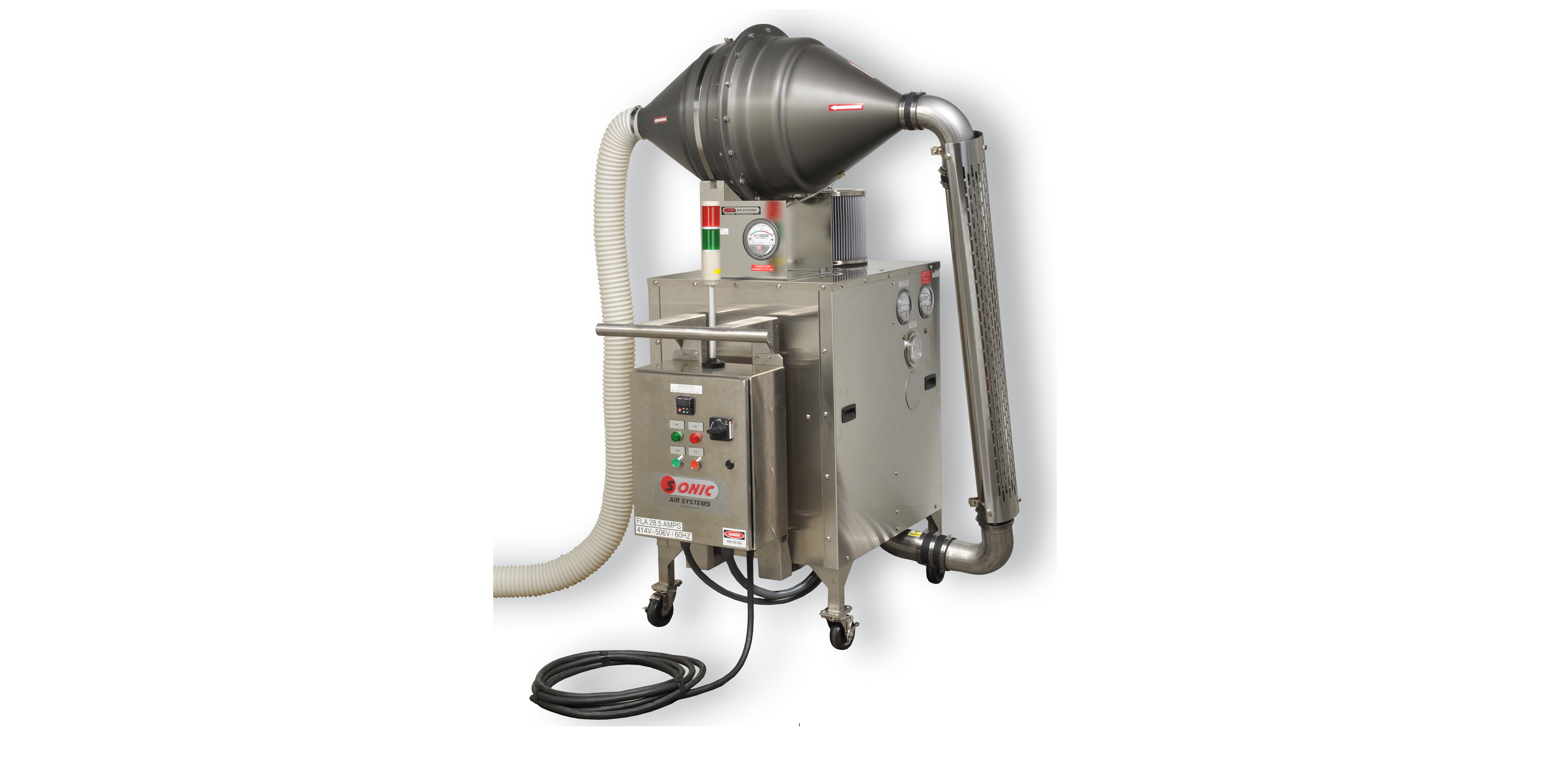
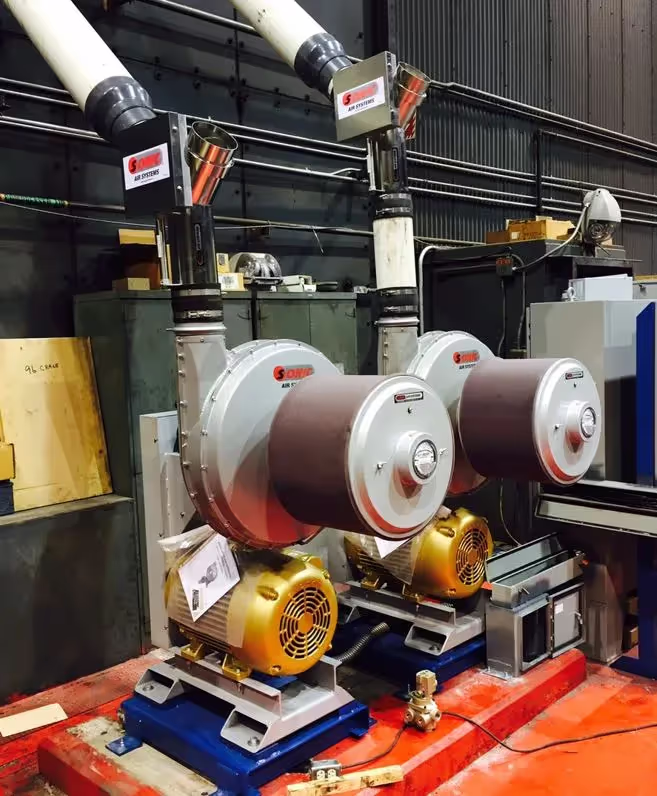
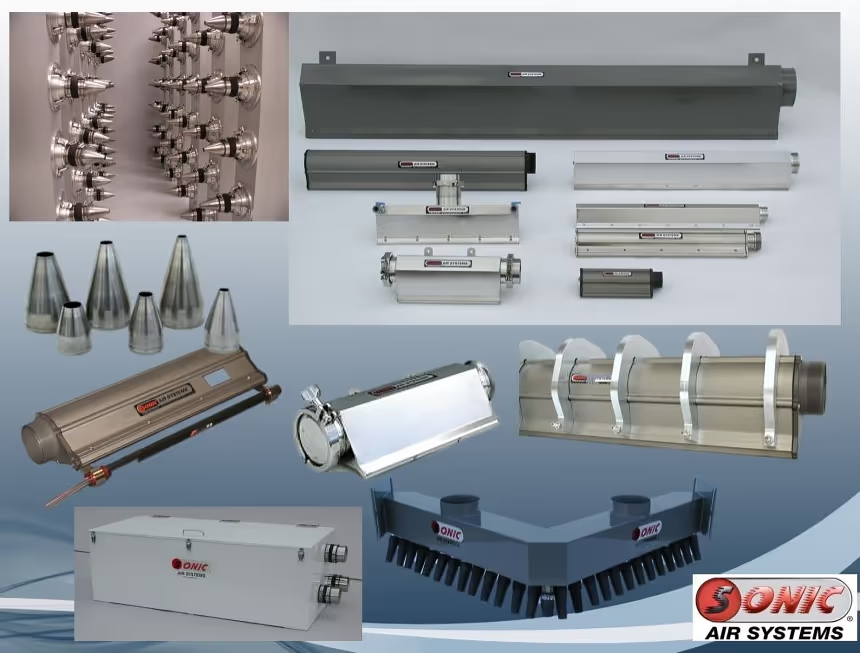
Air knife dryers work on a different principle. Instead of general airflow, they deliver concentrated, high-velocity air that creates a standing wave at the point of impact. This standing wave shears water away from the tube surface instantly in a single pass.
Because there's no physical contact, there's no wear and no maintenance headaches. The system works the same whether you're drying 1-inch tubes or 8-inch tubes. No retooling required for product changes.
The speed advantage is significant. Air knife systems keep pace with modern production rates (100-1000 feet per minute) without creating a bottleneck. Your production rate sets the pace, not your dryer.
Integration and Energy Efficiency
Air knife dryers integrate into existing conveyor setups without major redesigns. They connect to your current pneumatic lines and work with your existing control systems. Setup typically takes a few weeks, not months.
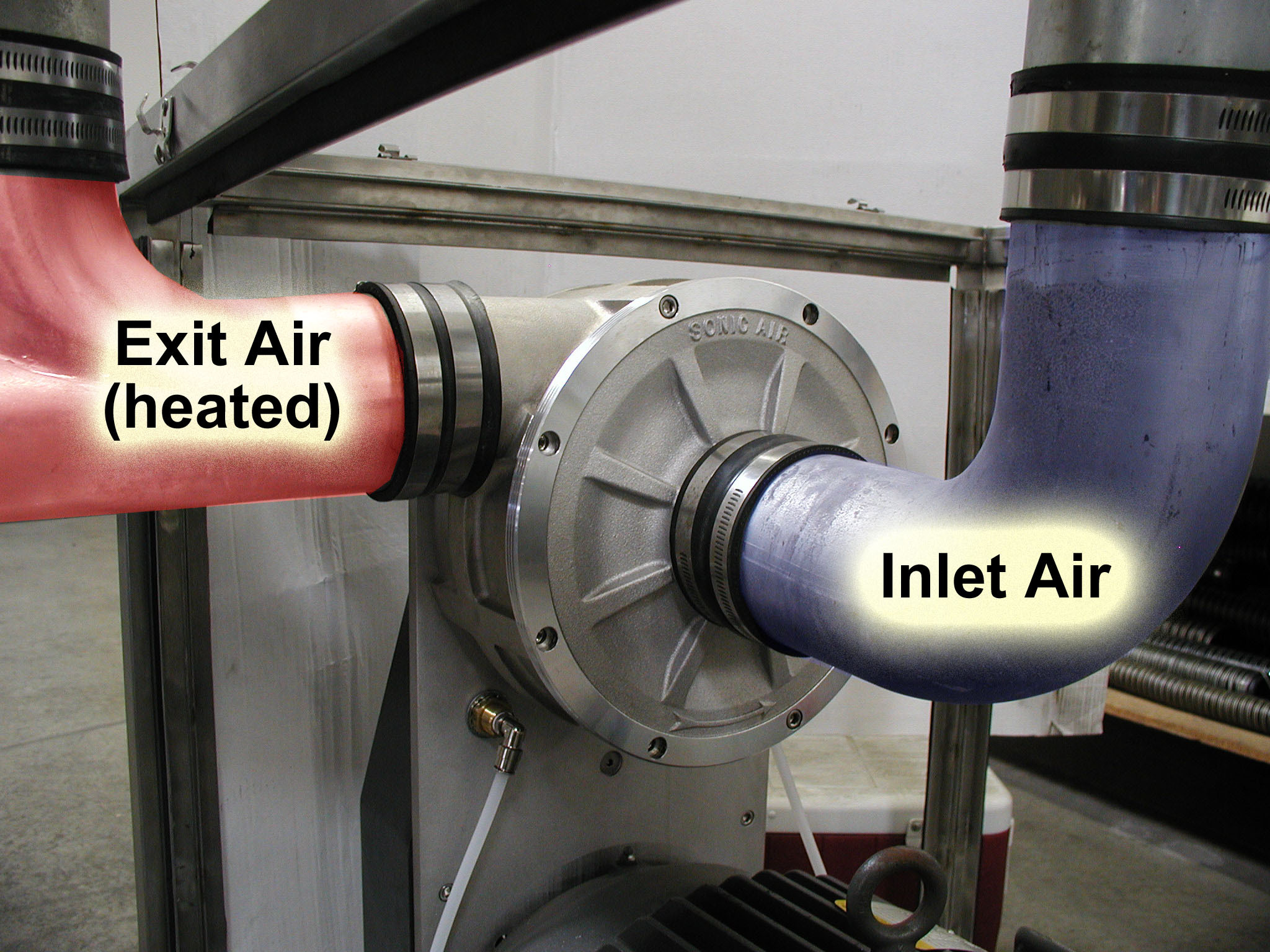
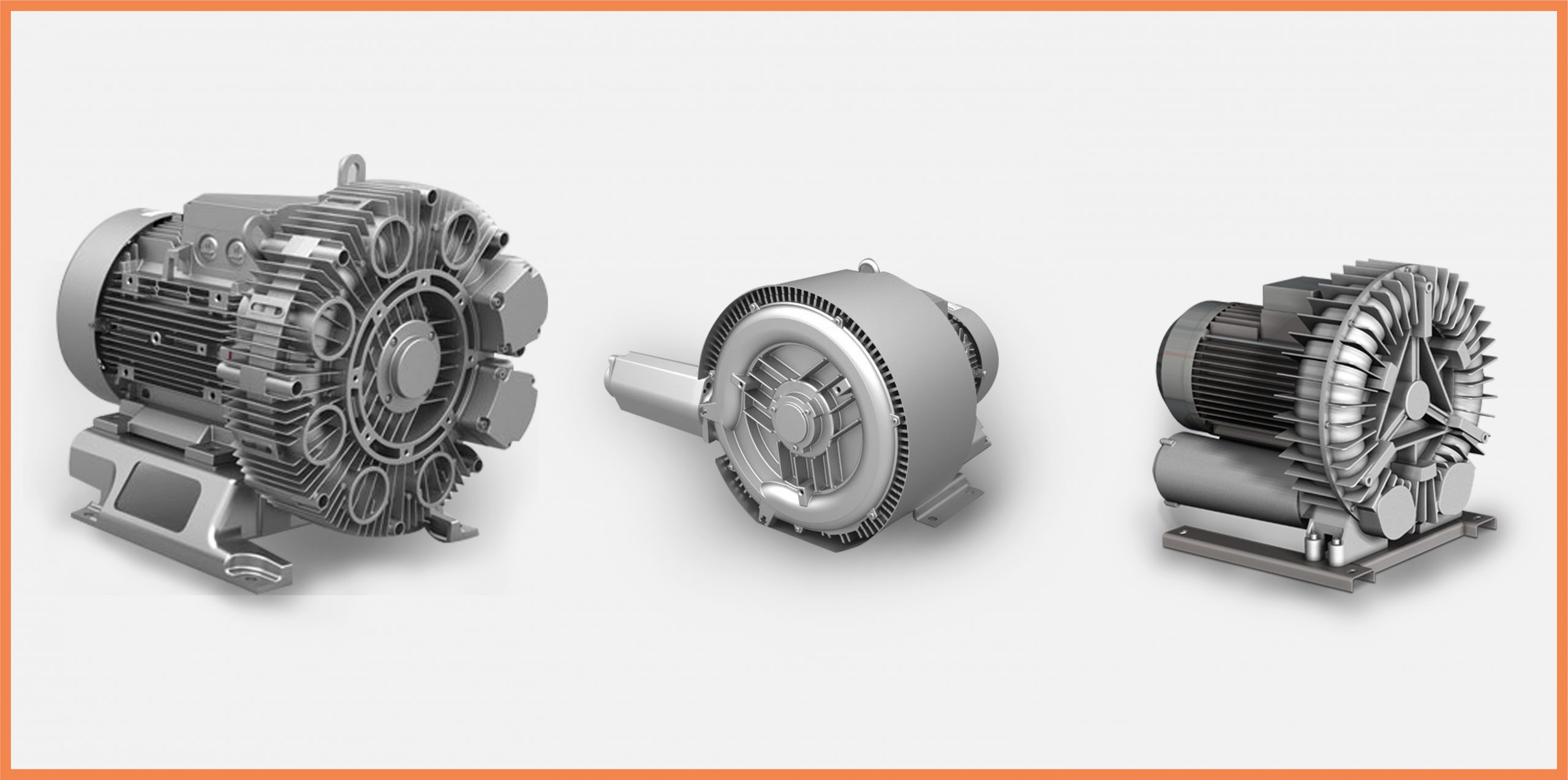
The energy profile is also better. No compressed air waste. Lower horsepower requirements. The system is optimized for your actual production needs instead of being a one-size-fits-all solution.
The Business Impact
The real value of a better drying system is what it lets you do with your production line. If your current system forces you to slow down to avoid incomplete drying, a faster dryer means you can hit full production speed without compromise.
Most operations see a payback period of 2-3 months. That's significant when you consider the alternative: continuing to lose production time or accepting quality issues.
Choosing the Right Drying System
The right choice depends on your specific operation: your tube sizes, your production rates, your current bottlenecks. What works for one mill might not work for another.
The best first step is to understand what's actually limiting your current system. Is it speed? Wear and maintenance? Energy costs? Once you know the constraint, you can evaluate solutions that actually fix it.
Next Steps
If you're running a tube or pipe operation and wondering whether your drying system is holding you back, start by asking these questions:
Are you slowing down production to avoid incomplete drying? Is maintenance on your current system becoming a burden? Are your energy costs from compressed air systems eating into margins?
If any of these sound familiar, it might be time to explore alternatives.
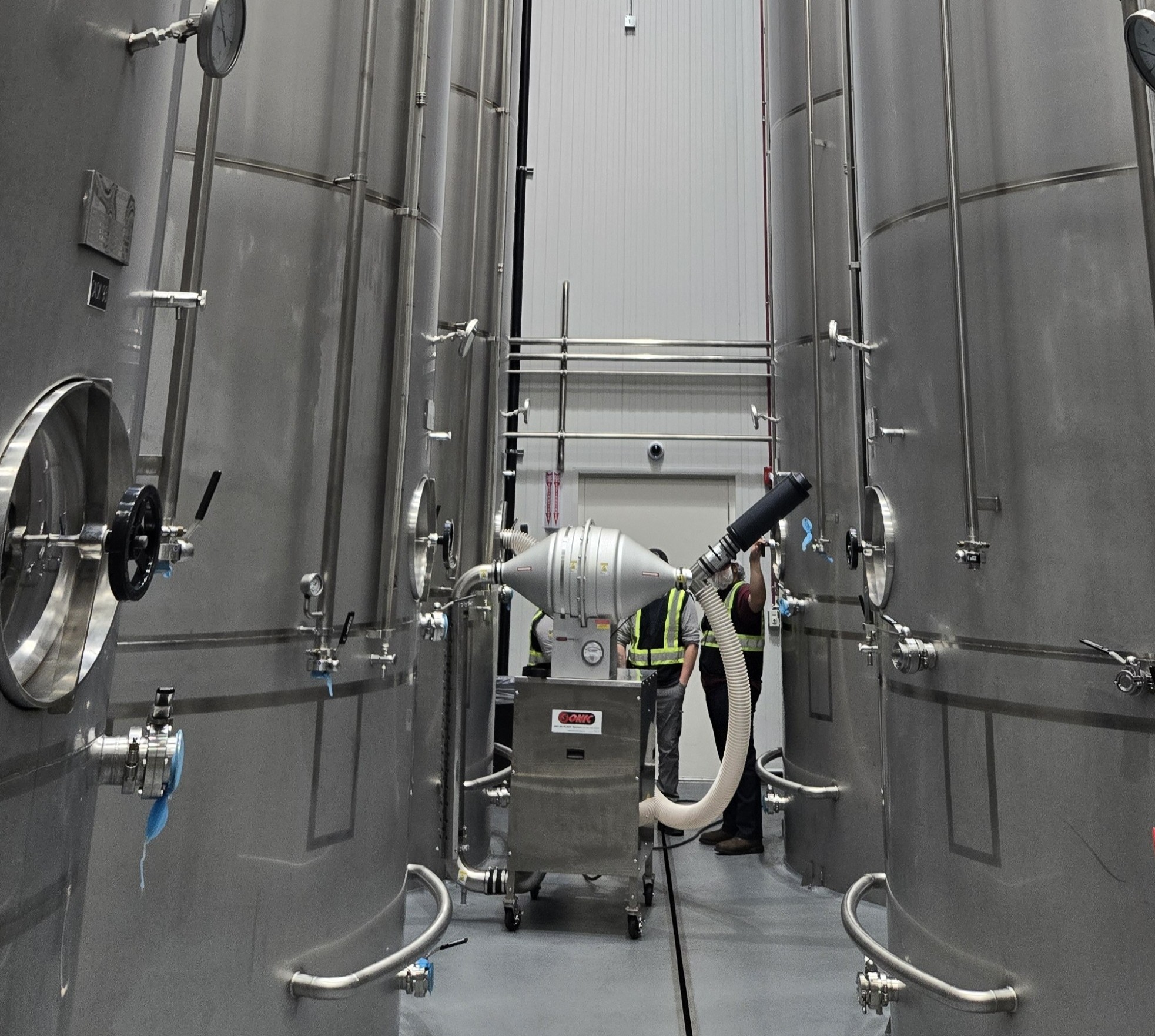
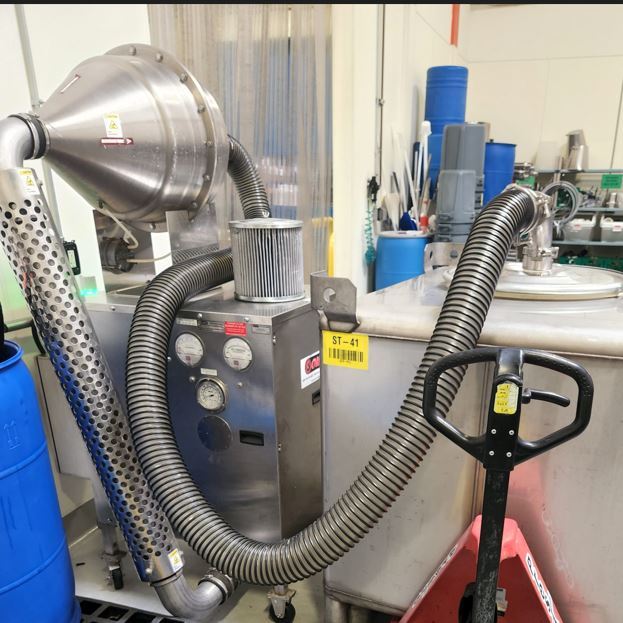
Sonic specializes in drying solutions for metal fabrication, including tube and pipe applications. If you want to discuss your specific situation and explore what's possible, reach out for a free assessment.
Learn more about tube and pipe drying solutions or contact us to discuss your operation.
.avif)
%201.avif)