

Why Regenerative Blowers Fall Short (And What to Consider Instead)
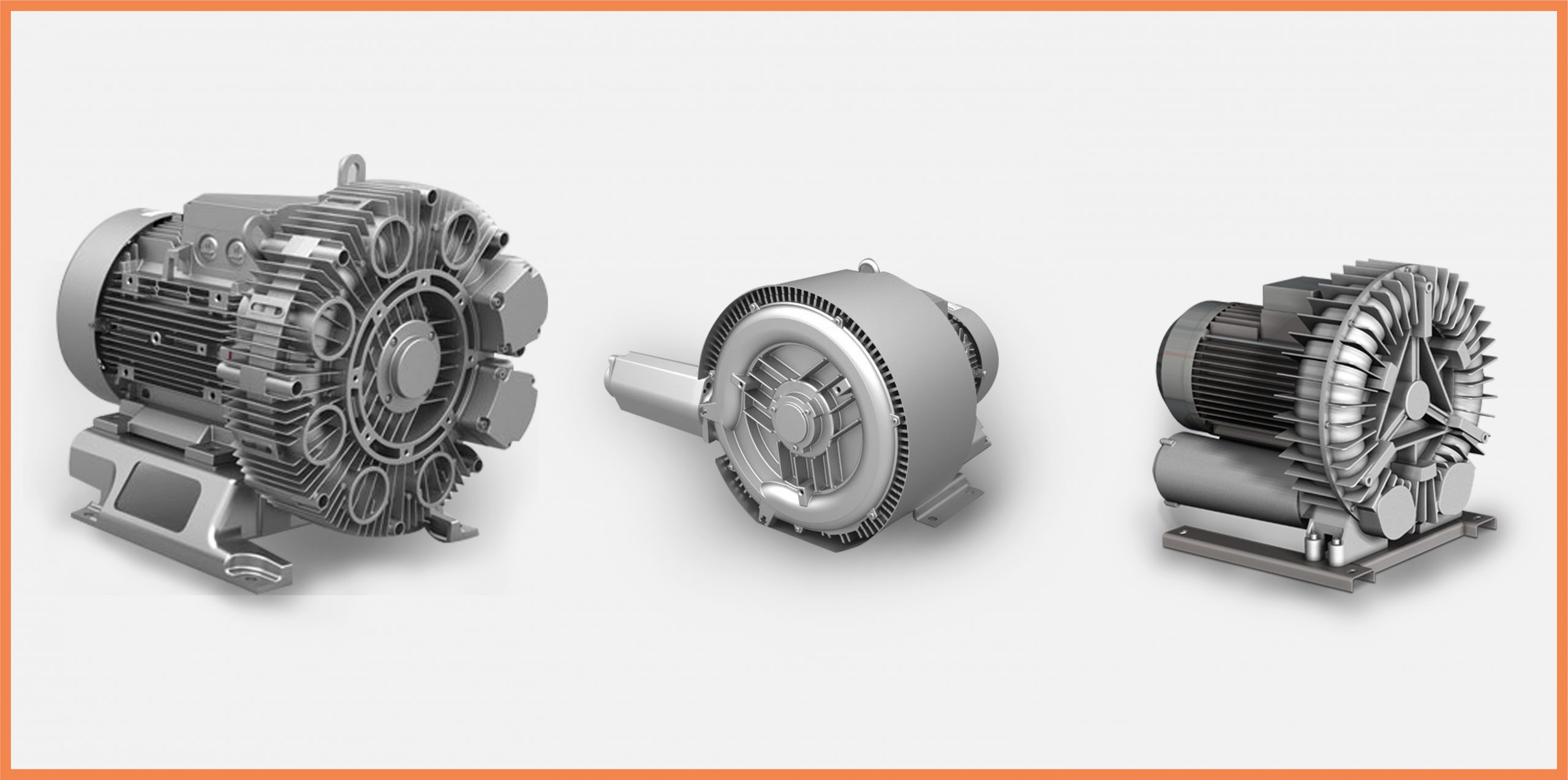
Regenerative (regen) blowers are everywhere. They're the most common pressure blower category manufactured worldwide, made by dozens of companies, and often the default choice when someone needs air for an industrial application.
But being common doesn't mean being right for every application.
Regen blowers work well for certain applications. But if you're dealing with high-speed production lines, tight integration requirements, or systems that need versatility, regen blowers can have design limitations leading to unintended consequences and higher total cost impacts.
What Regenerative Blowers Do Well
Let's start with the honest part: regardless of which manufacturer, all regenerative blowers (also known as regen blowers, ring blowers, side channel blowers, vortex blowers, turbine blowers or simply direct drive blowers) range from 0.5 HP to 30 HP and have common sizes and performance characteristics. They are compact, with the impellers mounted directly onto customized motor shafts, so the motor has the primary moving parts. With mass production, the costs are often lower than other types of blowers, and regens are ideally suited for steady-state pressure and vacuum applications. The steep pump-style performance curves allow the regen to operate most efficiently when in the lower half of their CFM (cubic feet per minute) flow range where they are at their higher pressure and vacuum points.
Where They Fall Short
The inefficient or ineffective uses for most regens emerge when they are utilized for higher CFMs at lower pressures and vacuums or whenever variable airflow demands cause rapid changes in pressures or vacuums. Because they are direct driven by custom-made motors, there is no field repairability, so each overheated motor failure requires the purchase of a whole new blower/motor assembly. The low cost savings is then no savings at all.
Limited Performance Range
Regenerative blowers are designed for a specific performance window. Once you pick one, that's mostly what you get. If your application requirements change or if you need to use flow control valves, or if there are unintended changes in system air restrictions, the regenerative blower pressure changes drastically. Their power demand can spike 25-50% higher and motor overheating can result in motor failure.
Heat Generation and Noise
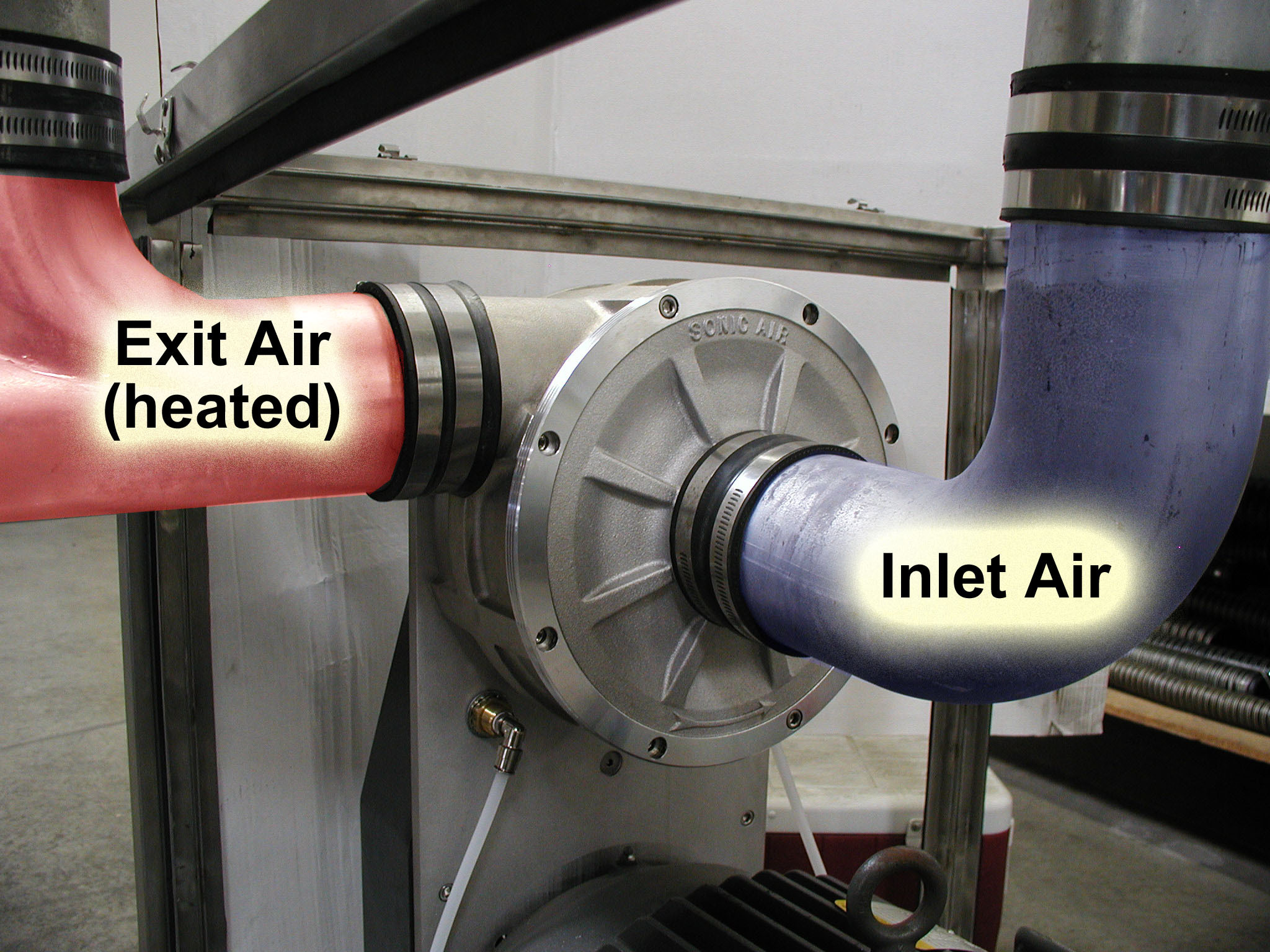
Regen blowers operate like positive displacement blowers where low CFM produces very high pressure/vacuum, requiring a high HP motor and resulting in very high heat rise. While the mid-flow curve point reduces the air pressure, the blower heat rise and motor power draw remain much higher than most centrifugal blowers. This heat has to go somewhere, usually into the drive motor, which compromises motor life and total system efficiency.
They also have operating noise levels that often exceed 85 dB while operating in a low to mid-range kHz octave band, which adds to workplace safety concerns and potential regulatory issues depending on your facility.
Efficiency Concerns
Here's where the math matters. Most regen blowers consume more energy than centrifugal blowers at equivalent output. Even when they are meeting the application needs at the mid-CFM point, their lower upfront cost usually gets offset either by requiring two regens to do the work of one centrifugal blower or simply by the higher total operating costs over time. In a facility running 24/7 production, those energy differences add up to real money. Thousands of dollars annually depending on your operation size.
Inflexibility Under Load
Regenerative blowers are direct-drive systems. That's a design feature, not a benefit in most industrial applications. Once they're running, they don't adapt well to changing system demands. If you add a new station, change pressure requirements, or simply have a dirty air filter or other unplanned changes in air restriction/pressure drop, regens produce 10% pressure changes with every 5% change in CFM demand, negatively impacting the production process they are intended for. This creates a real constraint if you're trying to build a flexible, scalable production system.
When You Should Consider Alternatives
If any of these apply to your operation, it's worth exploring alternative technologies to regen blowers when:
- You're running high-speed production where efficiency matters.
- Each production line has to adapt to a wider range of products than ever before.
- You need to have a blower system that is as flexible as every other piece of your production matrix.
- Energy costs have become an increasingly significant part of the operational budget.
- Good manufacturing practices dictate that reduced operating noise levels are as important as every other aspect of your facility.
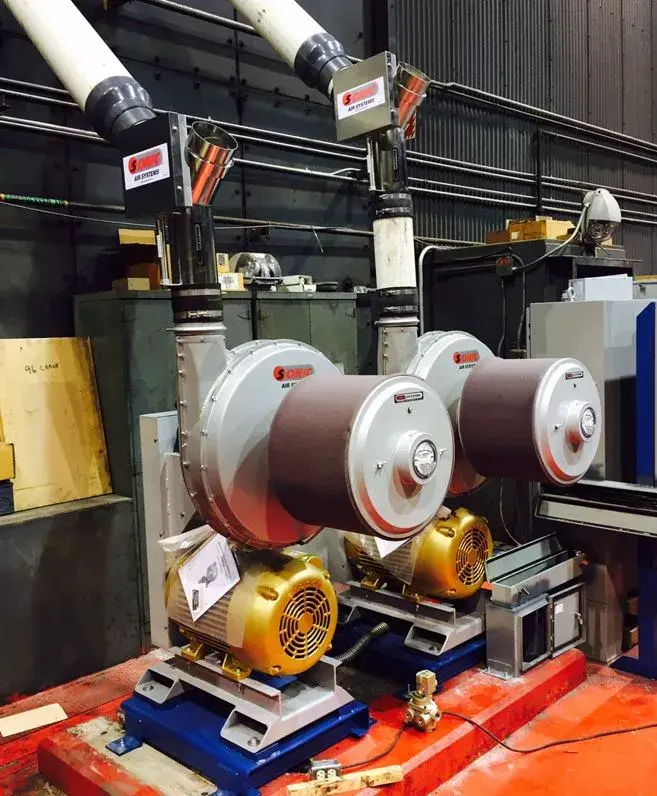
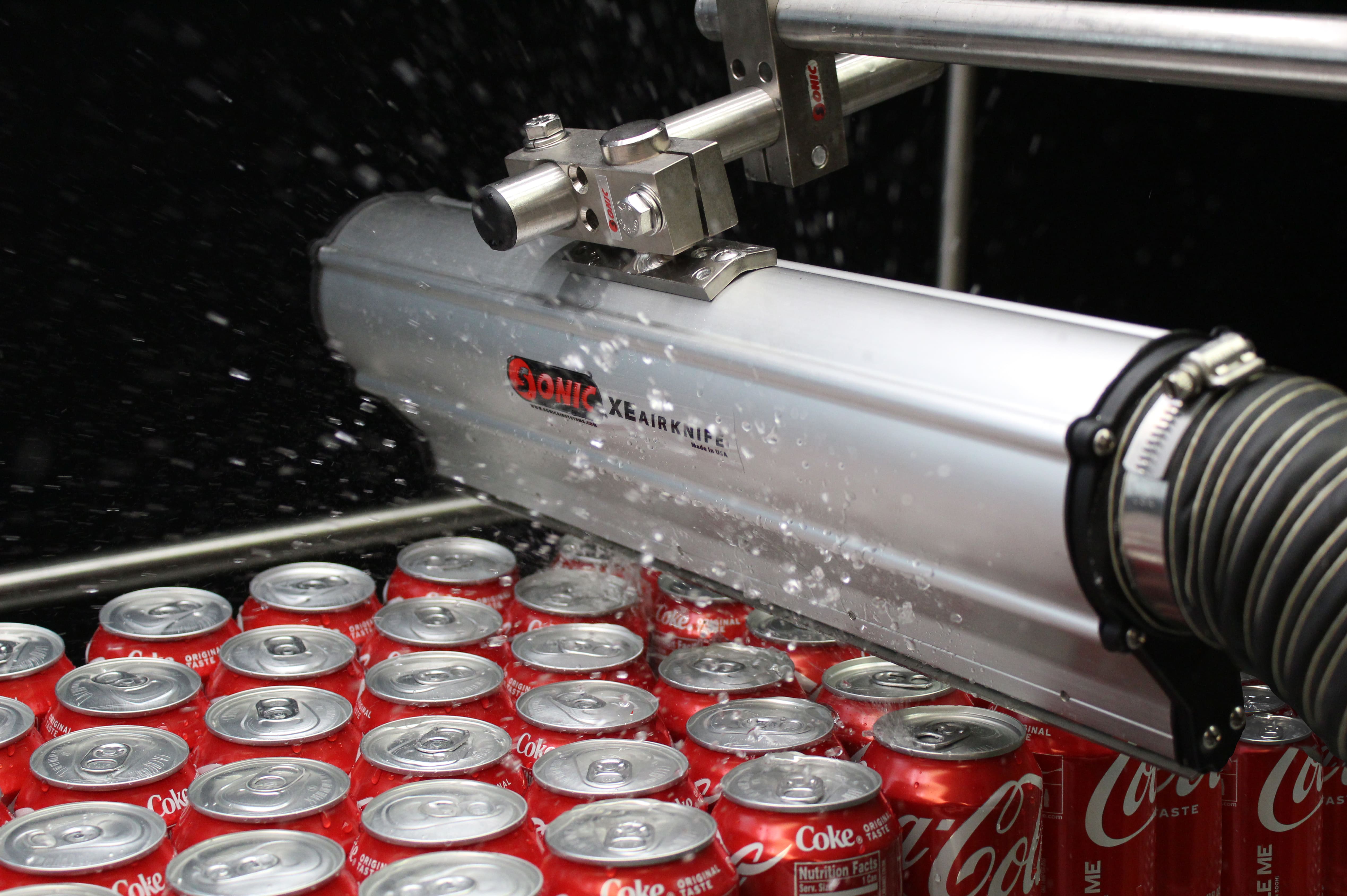
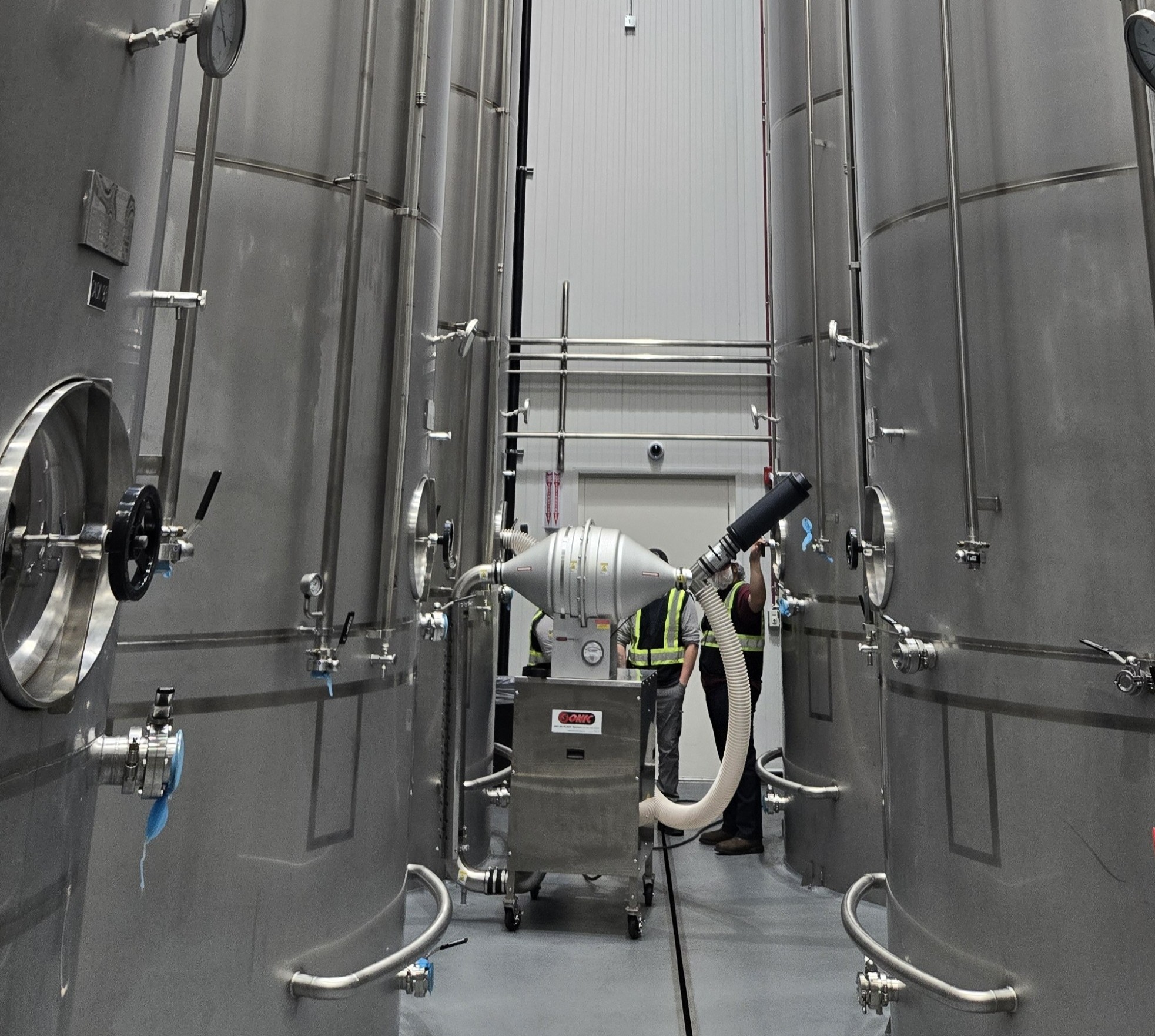
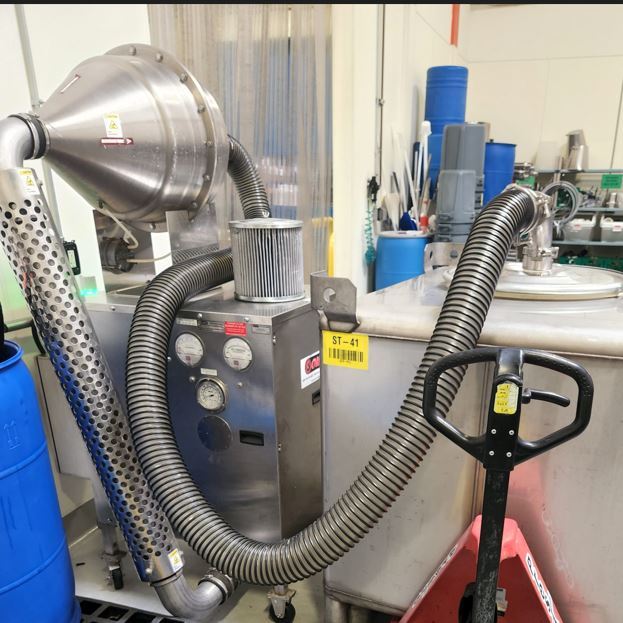
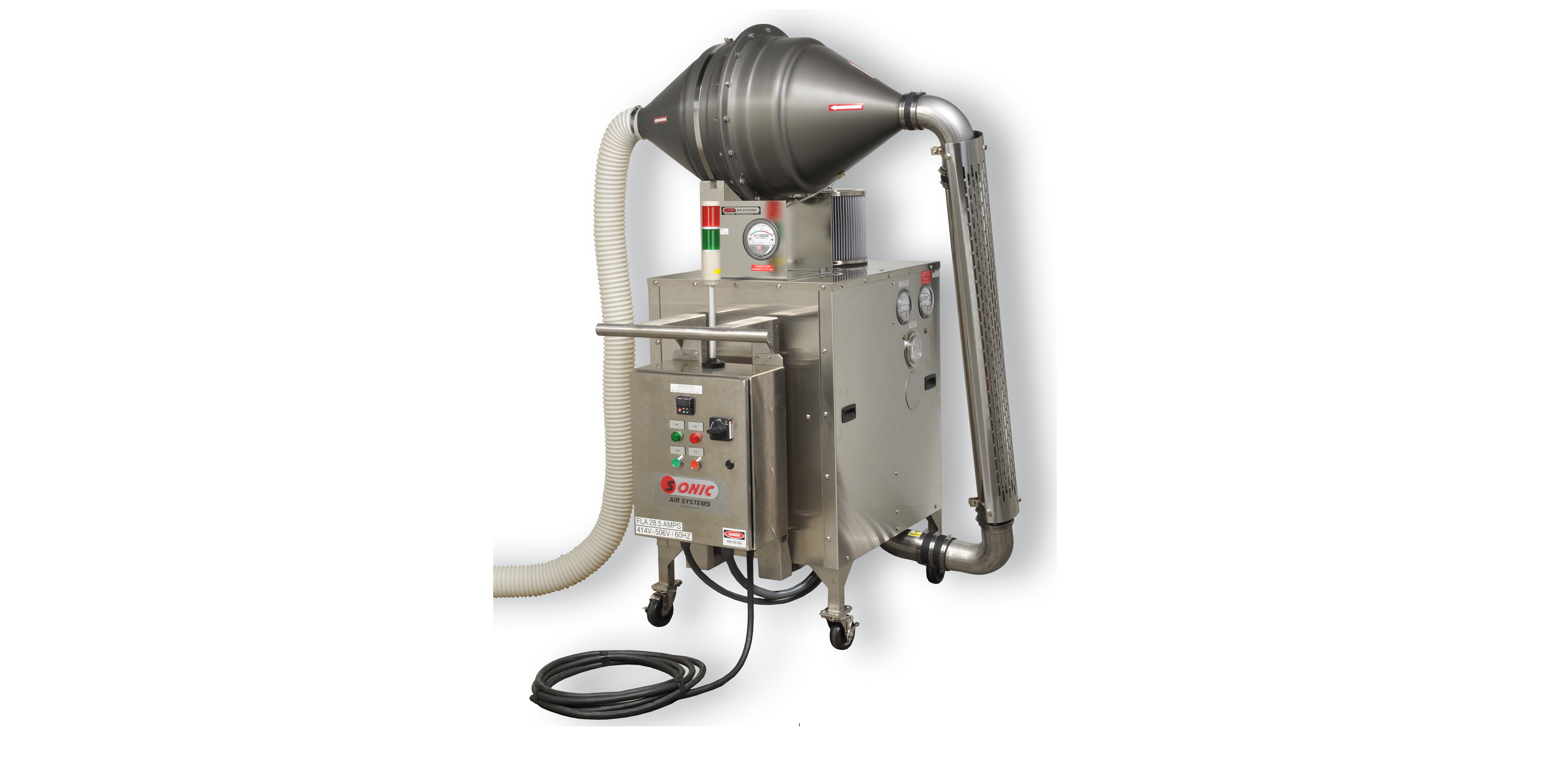
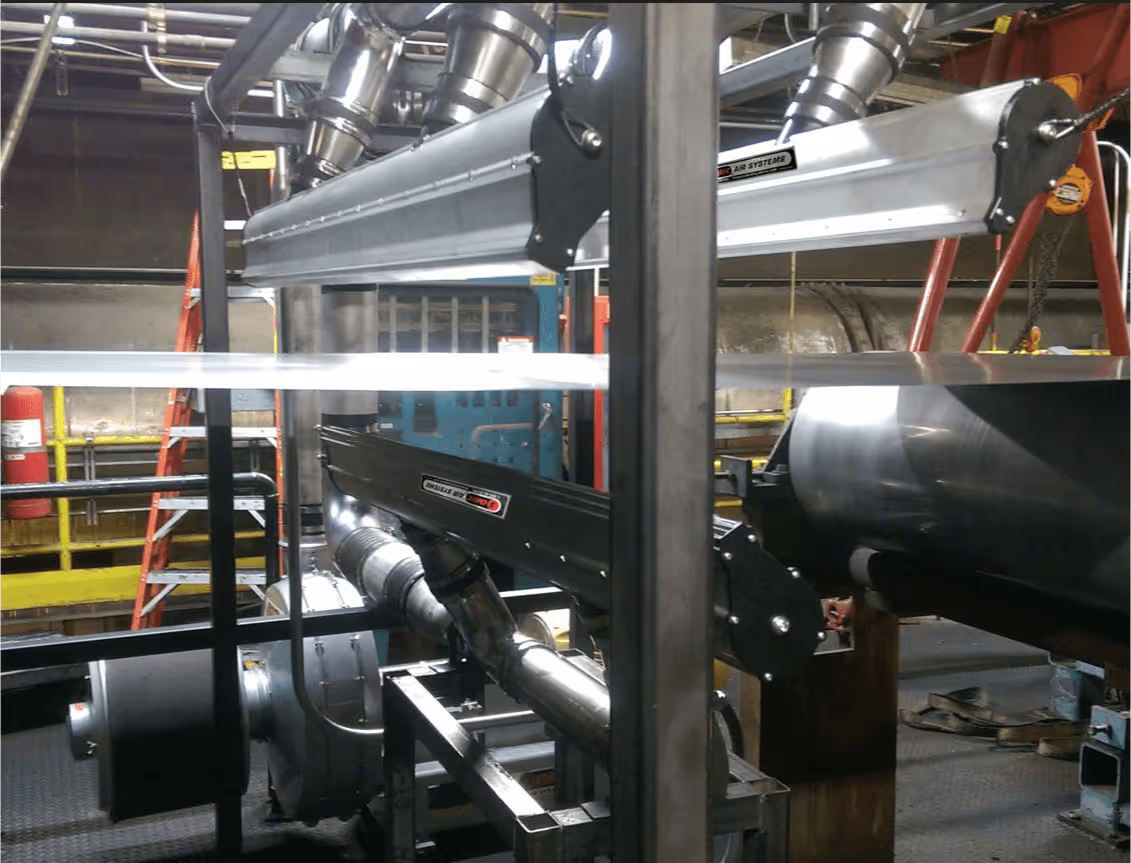
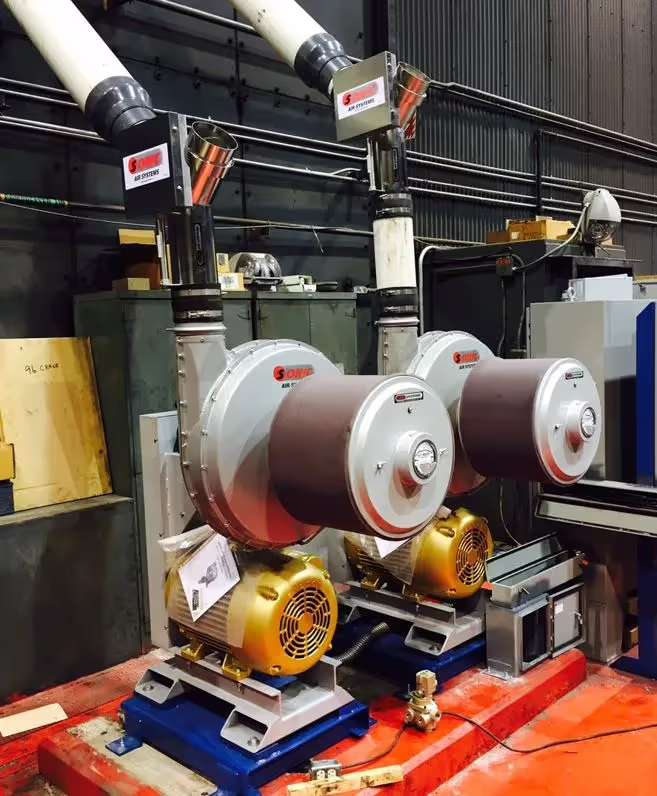
Sonic's centrifugal blowers, by contrast, are modular, flexible, and adaptable to any CFM design point with very small pressure change increments using dozens of add-on components with a 10:1 turndown flow ratio for scaling up or down within each blower and air knife system.
What Makes Centrifugal Blowers Different
Unlike regen blowers, centrifugal blowers with turbo-style impellers operate in accordance with "the fan laws" to produce a high efficiency performance curve, low heat rise, and have a gently sloping pressure curve across a broader flow range. Their integral high-speed belt-driven design results in a very compact blower and motor assembly with high volumes of high-velocity air, allowing for the smallest diameter piping within their airflow ranges.
This centrifugal design approach has real-world advantages:
- Better efficiency equals lower operating costs.
- Modular design means adapt to your needs without replacing the whole system.
- Quieter operation means better for your facility and staff.
- Flexible performance scales with your production.
- Better thermal management equals less cooling requirement and field repairable vs complete replacement.
The tradeoff is the upfront cost. Centrifugal blowers cost more initially. But when you calculate total cost of ownership over 5-10 years, including energy consumption, maintenance, and flexibility, the math usually favors centrifugals.
The Real Question
Regenerative blowers aren't "bad." They're just optimized for a different set of constraints than what many modern manufacturing applications need more of.
The real question is: what does YOUR operation need? If you need low-cost, simple, steady-state air movement, a regen blower may work for you. If you need efficiency, flexibility, scalability, a wide assortment of purpose-built accessories and long-term cost control, centrifugal blowers offer all of that and more.
Most manufacturers find that when they really analyze their needs, most regens are best suited for applications at lower CFM and higher pressure or vacuum.
Next Steps
If you're currently running a regenerative blower system and wondering whether it's the right choice for your operation, ask yourself several operational questions:
- Is the output pressure at 3 psi (84" H2O)?
- Does the production line require 2 or more regens to do the job?
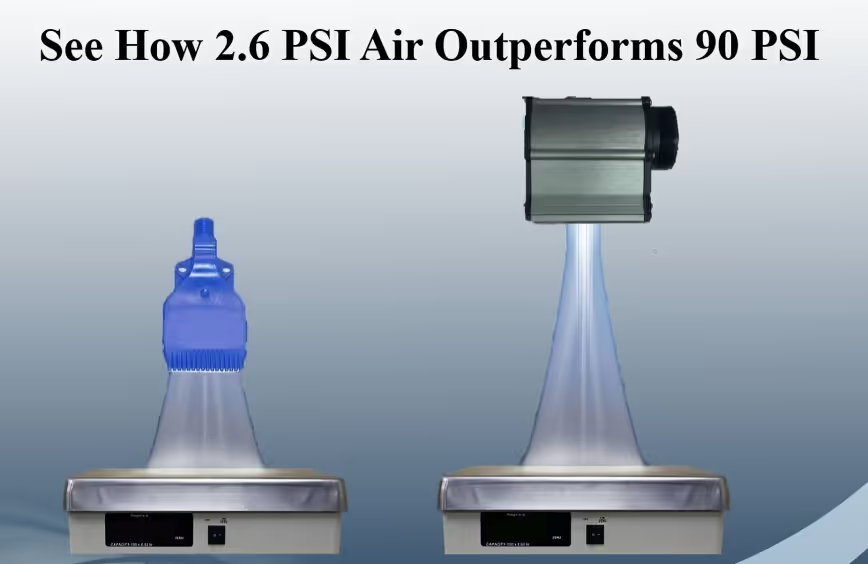
- Are compressed air nozzles required to supplement the purpose of the regens?
- Does the total air demand equal a significant portion of your energy cost?
- Are the regens allowing for the variability of products being well served by the air source(s) you use now?
- How much are you spending on air right now?
- And what changes are you planning for the next few years?
Those data points should tell you whether staying with regenerative makes sense or whether exploring alternatives is worth the conversation.
Sonic specializes in centrifugal blower systems and application engineering thereof for today's modern manufacturing. If you want to discuss whether your current setup is optimized for your needs, we can help.
Learn more about centrifugal blower alternatives or contact us to discuss your application.
.avif)
%201.avif)