Compressed Air vs. Hot Air Blower for Tank and Mixer Drying: A Real Cost Comparison | Part 3 of 3
In this article
Most facilities inherited their post-CIP drying process rather than designed it. Compressed air was already installed, already paid for as part of the facility infrastructure, and it worked well enough to keep production moving. The idea of replacing it with a dedicated hot air blower drying system raises an obvious question: is the investment actually justified?
The answer depends on what your facility is currently spending in energy, labor, downtime, and batch quality issues that compressed air drying creates but rarely gets credited for. Here is how the two approaches compare across each of those factors.
Energy Cost: The Largest and Most Visible Gap
Compressed air is among the most expensive utilities in industrial processing, typically costing three to five times more per unit of work delivered than equivalent motor-driven alternatives. For post-CIP drying, that inefficiency is compounded by basic physics.
Drying a 1,000-gallon mixing vessel with compressed air means using handheld air nozzles blowing cold air, requiring a lot of manual labor and high air compressor horsepower. The air arrives at ambient temperature or below, and without heat the system relies on velocity alone to chase water droplets around the SS surfaces before they actually evaporate, with very little thermodynamic assistance.
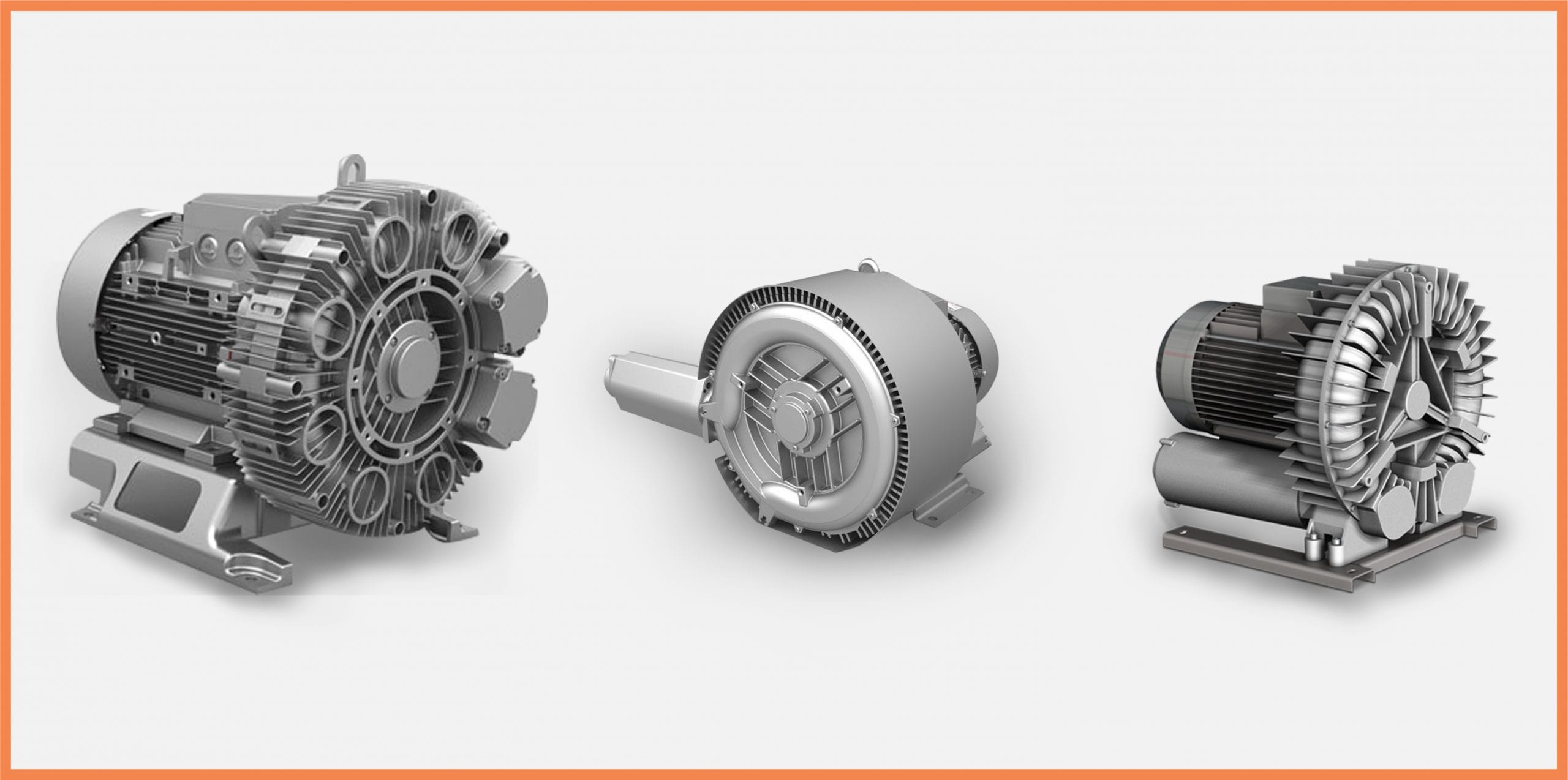
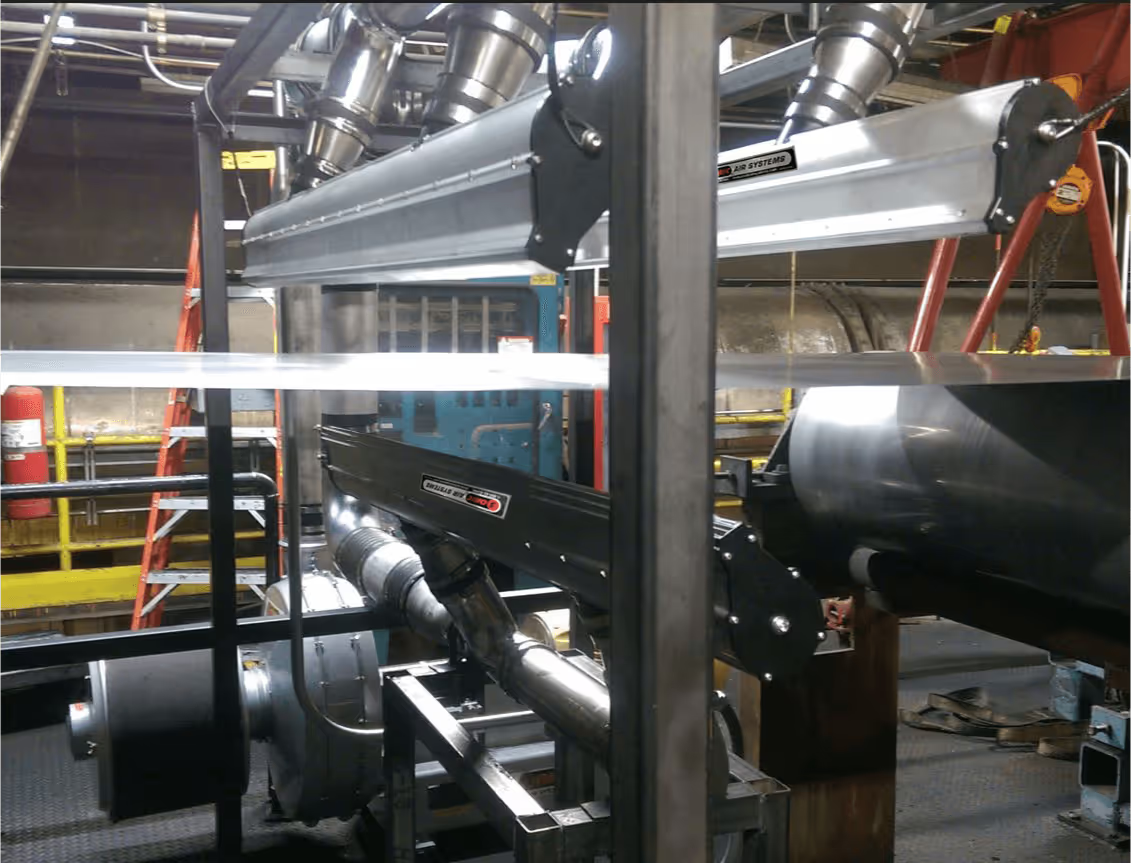
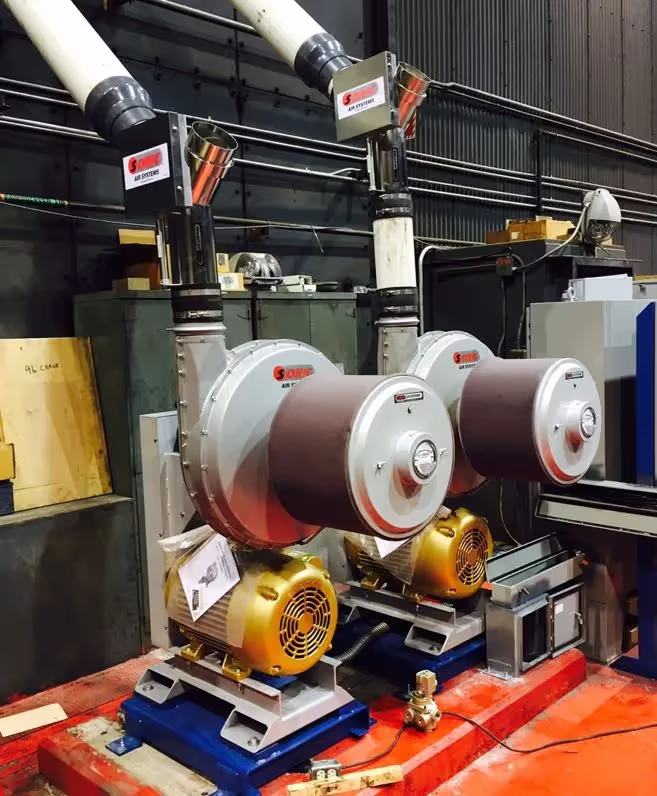
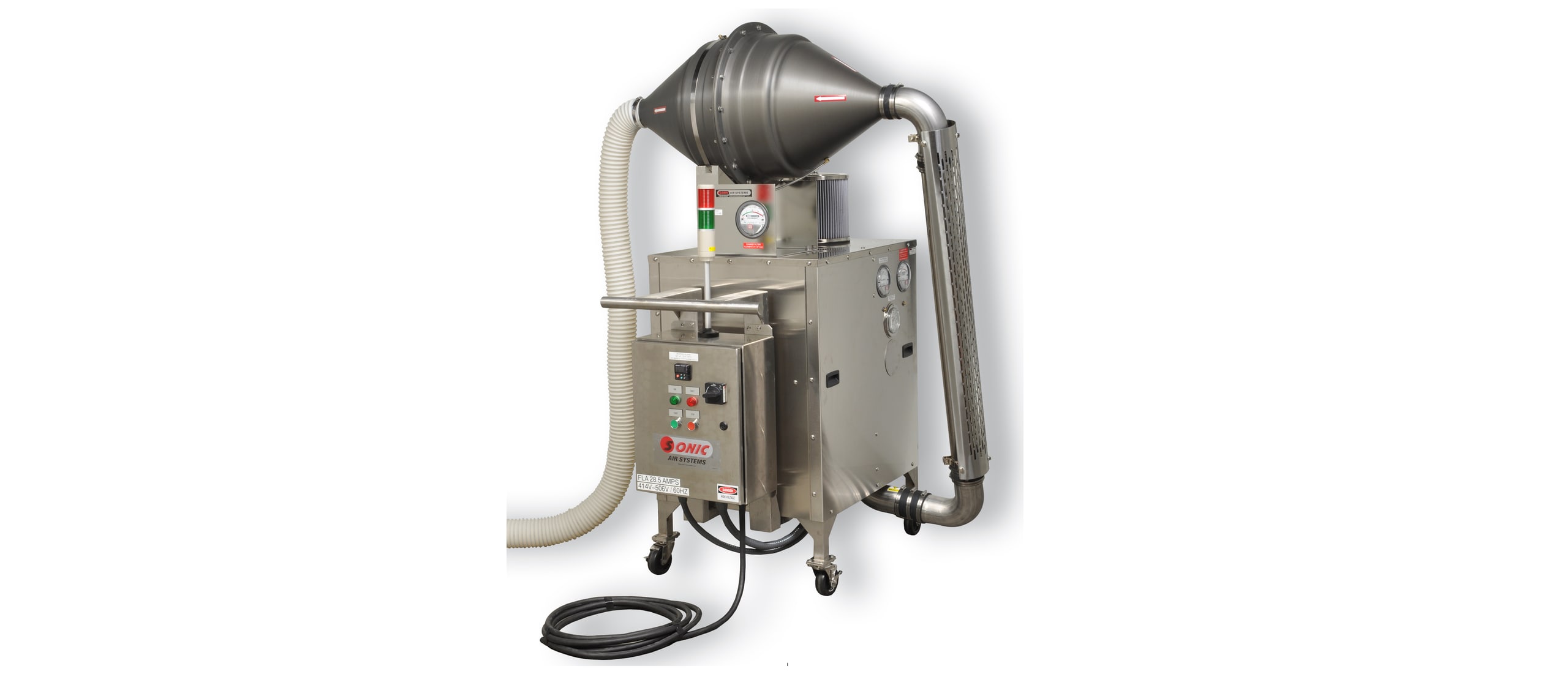
A Sonic centrifugal blower system producing 160-degree Fahrenheit air through adiabatic compression requires 10 HP for the same vessel. The heated air accelerates natural evaporation across all internal surfaces simultaneously, achieving complete and consistent drying in a fraction of the time and at a fraction of the energy draw.
U.S. energy costs currently range from approximately 10 to 25 cents per kWh across industrial facilities. At those rates, the energy cost differential between compressed air and hot air blower drying is measurable within the first month of operation.
| Compressed Air | Sonic Hot Air Blower | |
|---|---|---|
| HP required (1,000-gallon vessel) | High, dependent on nozzle setup | 10 HP |
| Operating cost per cycle | $15 to $25/hr | $6 to $12/hr |
| Energy per cycle | ~180 kWh | ~12 kWh |
| Air temperature delivered | Ambient or below | 150 to 200°F |
| Typical drying time | 2 to 4 hours | 5 to 30 minutes |
| Operator time per cycle | Continuous involvement | 5-minute hookup, unattended |
| Operating pressure | 80 to 120 PSI | 1 to 4 PSIG |
| Performance consistency | Variable by operator | Consistent and documentable |
| GMP validation support | Difficult to standardize | Repeatable, measurable process |
Labor Cost: The Number That Does Not Appear on the Energy Bill
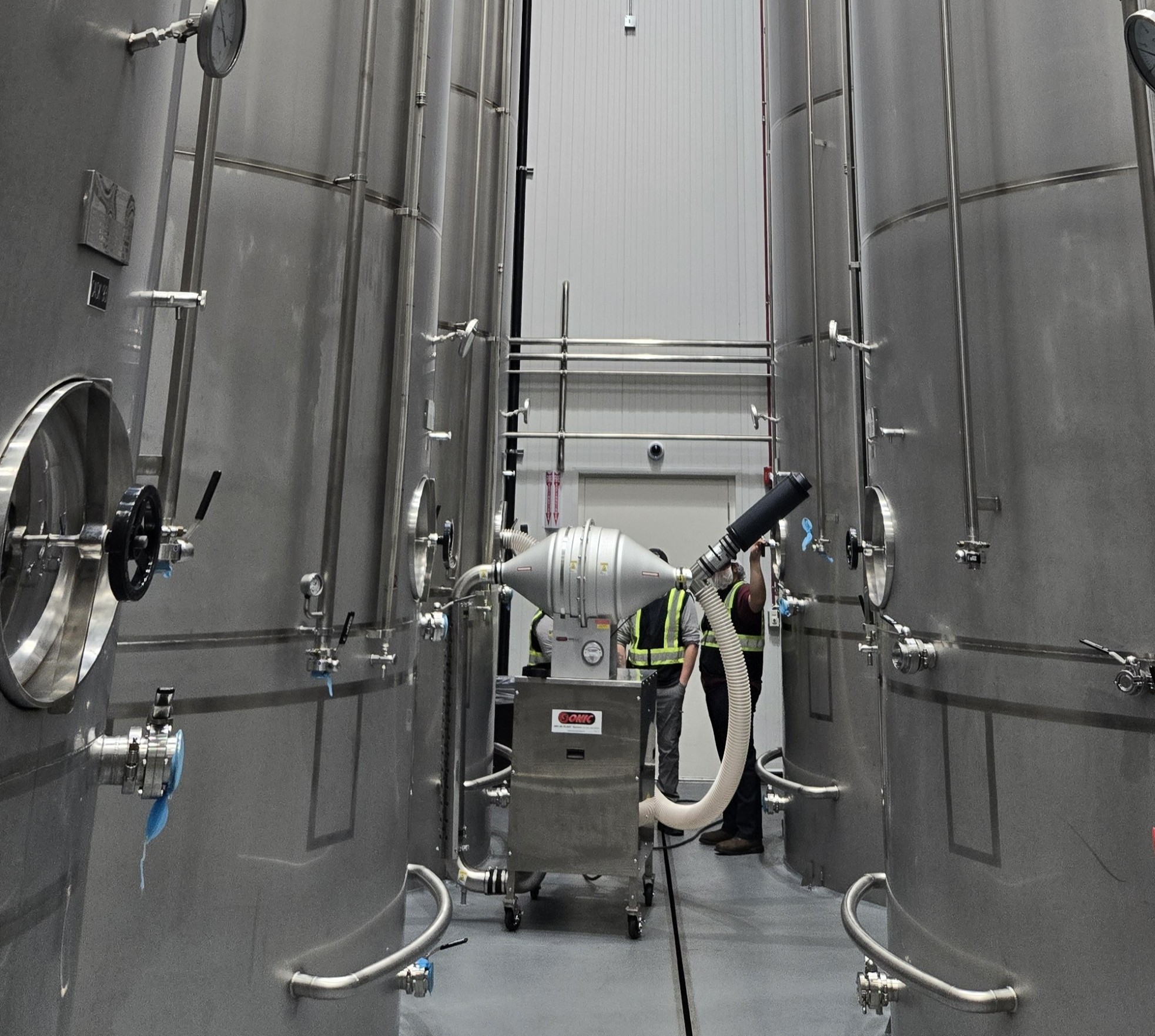
Energy costs show up on utility invoices and are relatively straightforward to measure. Labor costs from post-CIP drying are absorbed into shift schedules, accepted as normal production rhythm, and rarely attributed to the drying step specifically. That does not mean they are small.
Compressed air drying requires continuous operator involvement. A technician positions nozzles, monitors coverage, repositions as the drying progresses, and makes judgment calls about when the vessel is sufficiently dry to proceed. That process takes 2 to 4 hours per CIP cycle, and the results vary depending on who is running it, how experienced they are with that specific vessel configuration, and what else is competing for their attention.
Hot air blower drying requires five minutes of operator time: connect the inlet hose, verify the connection, start the system. The blower runs unattended for the remainder of the cycle. That labor reduction, typically 85 percent across most applications, directly increases the number of productive hours available per shift without adding headcount.
For a facility running two CIP cycles per shift across three shifts, the operator hours recovered can represent 10 to 15 additional productive hours per day. At fully loaded labor rates including benefits and overhead, that figure typically contributes more to the ROI calculation than the energy savings.
Batch Quality: The Cost That Is Hardest to Attribute
Compressed air drying is inherently inconsistent. Performance varies by operator, by nozzle condition, by line pressure at the moment of use, and by the specific geometry of the vessel being dried. In GMP environments, that inconsistency creates a validation problem that goes beyond operational inconvenience.
How do you validate that a vessel was dried to a consistent standard when the method relies on operator judgment? Swab testing can confirm individual results, but it cannot guarantee consistency across shifts, operators, or equipment conditions. Moisture-related batch holds, quality investigations, and production delays are the operational consequence of that gap.
Hot air blower systems deliver defined airflow at defined temperature and pressure. The parameters are fixed. The process is repeatable. And the results can be validated against a documented standard in the same way the CIP protocol itself is validated. For the vessel-specific details on how this works across different equipment types, see Part 2 of this series.
Facilities that have made the switch consistently report the elimination of moisture-related batch issues as a primary return on investment, alongside energy and labor savings. The batch quality cost of compressed air drying is difficult to quantify precisely because it rarely shows up on the right budget line. But it is real, and it compounds over time.
What the ROI Calculation Looks Like
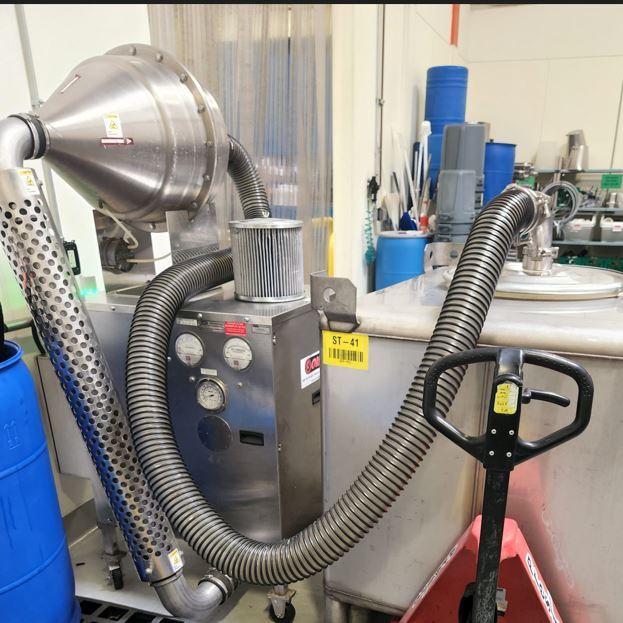
Sonic's DRY-IN-PLACE system consistently achieves payback within 6 to 12 months across most applications. The calculation draws from three sources:
- Energy savings: 75 percent reduction in drying energy costs per cycle
- Labor recovery: 85 percent reduction in operator time per drying cycle
- Production capacity: 15 to 25 additional batches just from reduced cycle downtime
For a facility currently spending $20 per hour on compressed air drying across two cycles per shift, the annual cost of the current approach, including energy and labor, often exceeds the capital cost of a hot air blower system before any batch quality improvements are factored in.
Sonic provides a detailed ROI analysis for every application based on actual facility data: current energy rates, CIP cycle frequency, vessel configuration, labor rates, and production value per batch. The analysis is specific to your operation, not built on industry averages.
When Compressed Air Drying Is Still Appropriate
Compressed air drying makes sense when drying requirements are infrequent, vessels are geometrically simple, and cycle time is not a production constraint. For facilities running CIP protocols once a week on a single straightforward tank, the capital investment in a dedicated drying system may not be justified.
For most industrial processing facilities running regular CIP on complex vessels, including mixing tanks, ribbon blenders, paddle mixers, conical blenders, and SS IBC totes, those conditions do not apply. The question is not whether hot air blower drying pays back. It is how quickly.
Start from the beginning of this series: Part 1: Why Your CIP System Is Not Finished Until Your Equipment Is Dry